











Table of Contents
- Easy-to-Install Deck Lighting Ideas for Quick Outdoor Upgrades
- Ambient Deck Lighting Ideas to Create a Cozy Evening Atmosphere
- Waterproof Deck Lighting Ideas for All-Weather Outdoor Spaces
- Wired vs Wireless Deck Lighting: Which One Is Right for You?
- Modern LED Deck Lighting Ideas for a Contemporary Look
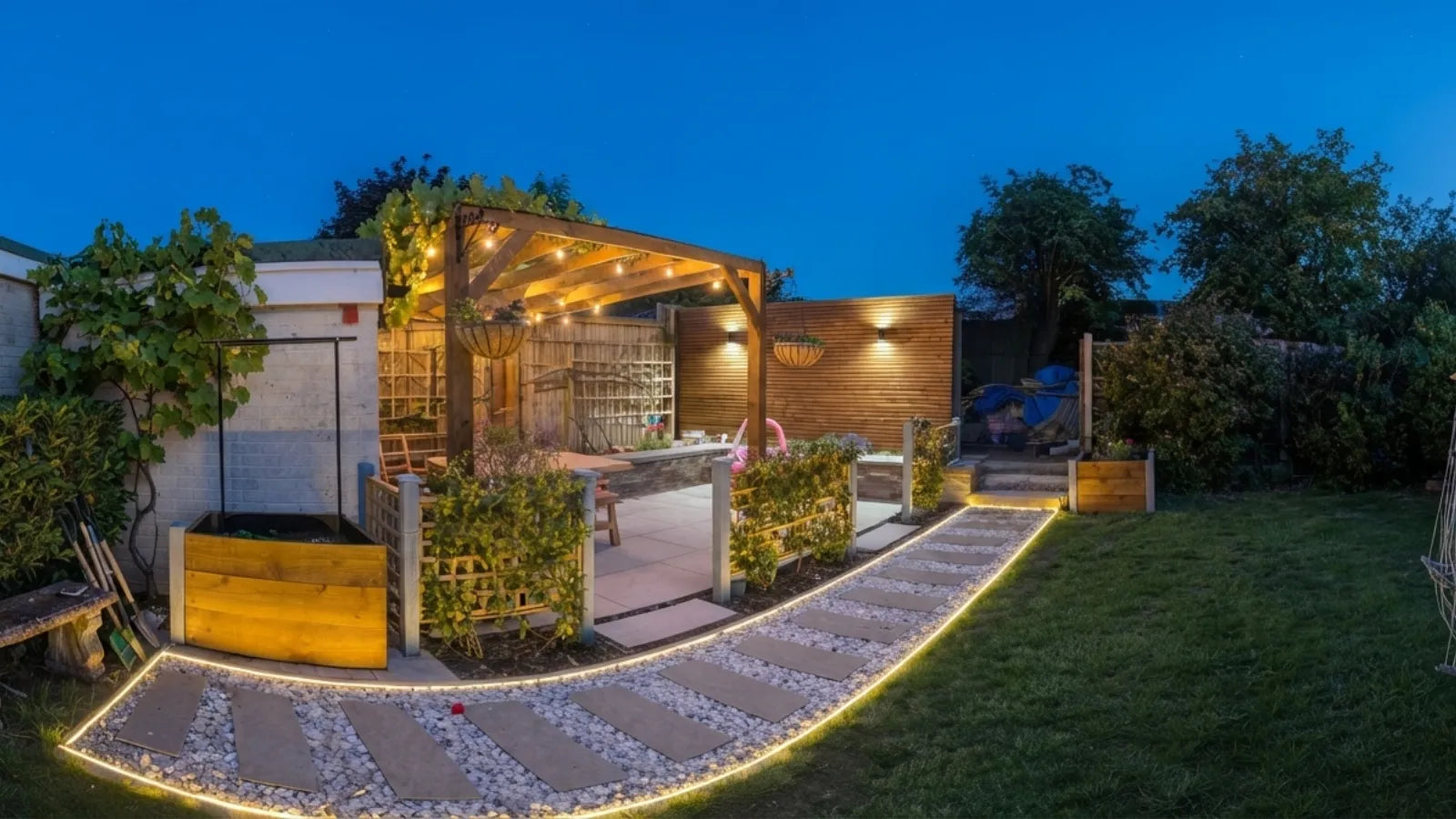
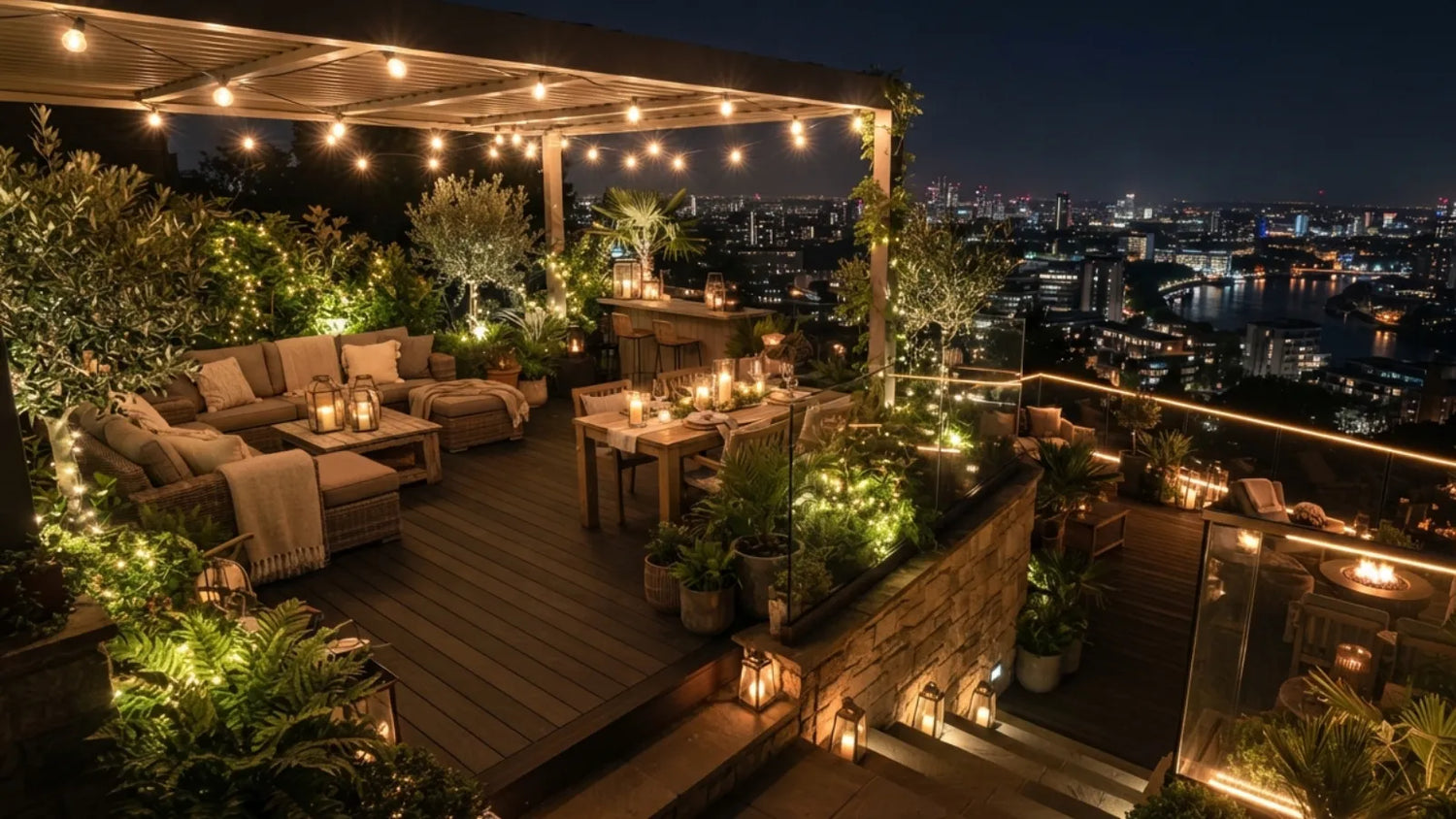
A well-designed patio can add personality to your yard during the day—and become the go-to spot for evening gatherings once the sun goes down. But when dusk settles in, what truly elevates this space from "nice" to "enchanting" often comes down to one underrated detail: the lighting. And that's where thoughtful deck lighting ideas come into play.
Patio lighting isn't just about being able to see where you're stepping. It's the mood maker, the layer-builder, and the very reason you'll feel good about inviting friends over for a nightcap or simply kicking back with a glass of wine under the stars. The right glow can turn wood grain, leafy silhouettes, and furniture lines into something almost poetic—giving an otherwise ordinary yard a real sense of soul. On the flip side, a single harsh overhead light or a haphazard string of bulbs can flatten even your most thoughtful design choices. So if you're looking for fresh deck lighting ideas, you've come to the right place.
In this guide, I'm not going to run through yet another checklist of products you can buy. Instead, I want to share some deck lighting ideas that go beyond the usual—focusing on modern strategies that can genuinely make your patio stand out: from sleek linear recessed fixtures, to architectural pendant lamps with real presence, to clever tricks that play with shadows for dramatic effect. Whether your patio is a sprawling L-shaped entertaining hub or a compact urban balcony, there's an idea here to help it shine after dark.
Easy-to-Install Deck Lighting Ideas for Quick Outdoor Upgrades
If you don’t want to deal with rewiring, don’t want to hire an electrician, and just want to give your patio some nighttime flair in a hurry, these three types of lighting are the most hassle-free deck lighting ideas out there. They’re easy to install, budget-friendly, and you can reposition them anytime—perfect for a quick DIY upgrade.
String Lights
String lights are the ultimate patio lighting all‑arounder, and installation is almost too easy.
How to hang them: Find your anchor points—eaves, tree branches, wall hooks, or even a couple of posts you set up yourself. Run a few wire cables or zip ties between them, then drape the light strings across. The key is to keep a gentle sag; don’t pull them taut. That way, the light comes out softer and the whole vibe feels more relaxed.
What to buy: For outdoor use, make sure the lights are rated IP44 or higher for water resistance. For bulbs, go with warm white (2700K–3000K)—it gives the best color rendering and the coziest atmosphere. If you’re worried about wind jostling them around, look for sockets with clips that lock the bulbs in place.
Practical tips: Measure your distance ahead of time and buy a set that’s a little longer than you think you need—so you have enough slack for those dips. For the power cord, use an outdoor extension cable, and pop a weatherproof cover over the outlet, and you’re all set.

Solar Deck Lights
No wiring needed at all—not even an outlet. Just let them soak up the sun during the day, and they’ll turn on automatically at night.
How to install: Most of these come as small individual discs or strips, with adhesive backing or screw holes on the back. Stick them right onto step edges, fence posts, or planter rims. Just pick spots that get good sunlight during the day—south‑facing is your best bet.
What to look for: Pay attention to battery capacity and lumen output. For safety lighting on steps, 10–30 lumens is plenty. If you want to brighten up a tabletop area, go for 50 lumens or more. Motion‑sensor models are even more energy‑efficient—they brighten when someone approaches and dim back down when they move away.
Practical tips: Before installing, wipe the surface clean of dust so the adhesive holds tight. Before first use, give them a full day of direct sun to charge up—after that, they'll typically last 6–8 hours each night. They're affordable, so grab a few extra and scatter them around; the more you place, the bigger the impact.
Battery-Powered Lights
This is the most flexible option—you can put them anywhere, with no constraints from outlets or sunlight.
How to install: They come in all forms—puck lights, wall sconces, pendants, string lights, and more. Most feature magnetic mounts, hooks, or 3M adhesive. You can stick them under a table to light up the surface, hang them from umbrella ribs for ambient glow, or tuck them into planters as accents. Moving, removing, or rearranging them takes just seconds.
What to look for: I strongly recommend models with a remote control and timer function—so you don't have to manually turn them on and off every time. For batteries, prioritize rechargeable AAA or built‑in lithium battery types—they're more eco‑friendly in the long run. Dimmable options are also super handy, letting you switch modes as needed.
Practical tips: Keep two sets of rechargeable batteries on hand so you can swap them out and never get caught without power. These lights work best as accent or supplemental lighting—tuck them in corners, along a bar top, or string a short set along your handrails.
Ambient Deck Lighting Ideas to Create a Cozy Evening Atmosphere
The whole point of ambient lighting isn't to flood every corner with brightness—it's about creating rhythm with shadows and playing with mood. A well‑thought‑out ambient setup can take your patio from "lit" to "alive," making it the kind of place where people sit down and never want to leave. Here are a few design‑forward, easy‑to‑pull‑off ideas that look great without overcomplicating things.
Idea 1: Layered Lighting – Building Depth and Dimension
Nothing feels flatter than a single overhead fixture blasting down harsh, pale light. Real ambiance comes from vertical layers:
High level: Hang warm‑toned string lights or slim pendant lamps between eaves or trees. They cast a soft, downward scatter of light that defines a "ceiling" for your gathering space.
Mid level: Mount strip LED lights or small wall sconces along fences, posts, or trellises. The light spreads horizontally, tracing the outline of the space and making you feel gently wrapped in warmth as you sit.
Low level: Tuck tiny ground lights or thin strips into step edges, planter bases, or under seating. This low‑down glow creates a "floating" effect—making your patio feel lighter and more open after dark.
Design tip: Keep the brightness decreasing from top to bottom—brightest at the high level, dimmer in the middle, and softest at the lowest. That way, your eyes naturally rest at eye level without glare, while the ground stays clearly guided so you still feel safe moving around.

Idea 2: Playing with Light and Shadow – Telling Stories with Projection and Silhouettes
Light doesn't just illuminate objects—it can also "carve" their shadows. Use this trick, and your patio instantly feels more artsy and mysterious.
Uplighting the canopy: Place an adjustable ground spotlight (preferably with an anti‑glare louver) under a tree. Aim it up through the branches and leaves, and it'll cast dappled, swaying shadows across the ground and fencing. As the breeze moves the foliage, you get a living, breathing piece of art—no canvas required.
Cutout lanterns: Pick up outdoor lanterns or globe lights with geometric cutout patterns. When lit, they project intricate designs onto the surrounding surfaces—adding a layer of polish that plain bulbs just can't match.
Wall washing: Mount strip lights along the base of a wall, aiming them upward. The light washes across the surface, bringing out the texture of stone or wood grain. Suddenly, your backdrop wall becomes the focal point all on its own—no extra decor needed.
Design tip: Keep the brightness on these low—around 20–50 lumens is plenty. The goal is to create little "surprises in the dark," not to flood the whole area. Stick with warm yellow light (2700K) for softer, cozier shadows that feel inviting rather than harsh.
Idea 3: Modular Setups – Portable "Islands of Light"
If you like to refresh your layout often, or if your patio serves multiple functions—dining, lounging, bar area, you name it—using independent, movable light sources to define zones is both flexible and good‑looking.
Over the dining table: Hang a few pendant lamps (battery‑powered outdoor ones work great) from a long rod or rope at varying heights. This creates a visual anchor while casting focused warm light right where you're eating.
Seating nooks: Place a floor‑standing outdoor lamp with a tassel or fabric shade next to your sofa or rattan chair—solar or battery powered. The lamp itself becomes a decorative piece, and the light filtering through the fabric turns ultra‑soft, instantly cranking up the coziness.
Pathway guidance: Scatter a few portable LED candle lanterns or small globe lights along the edge of your patio or walkway, spaced out at intervals. No fixing required—you can move them anytime. When lit at night, they look like a trail of floating fireflies.
Design tip: The secret here is asymmetry and a touch of randomness. Deliberately stagger the heights and unevenly space the fixtures—it actually reads as more natural and laid‑back, which fits the whole relaxed vibe you're going for.
Idea 4: Unified Color Temperature – and Subtle Gradation
A lot of people get hung up on fixture styles but overlook color temperature—which is absolutely critical to the overall mood. Mixing cool white and warm yellow in the same space feels messy, while a consistent, subtly shifting temperature palette instantly reads as more polished and premium.
Set a unified base: For all your ambient light sources, aim for warm white in the 2700K–3000K range. That slight yellowish tint is reminiscent of candlelight and is hands‑down the most relaxing choice.
Add localized highlights: If you have a specific task area—say, a bar top where you're mixing drinks—you can bring in a touch of natural white at 3000K–3500K for temporary contrast. But keep it small and contained: use a shade or shield so the light stays on the work surface and doesn't bleed out into the rest of the space.
Go for ultimate warmth: If you want something even more romantic, throw in a few "flame‑colored" sources—like lamps with orange or amber lenses, or better yet, use real LED flicker‑flame bulbs. That gentle, dancing rise and fall of light adds a layer of warmth and motion that no fixed color temperature can replicate.
Waterproof Deck Lighting Ideas for All-Weather Outdoor Spaces
Outdoor lighting has to stand up to rain, dew, humid air, and the occasional splash—from watering plants or a nearby pool, for example. Non‑waterproof fixtures can short out and stop working at best, or pose a shock hazard at worst. And let's be honest: replacing outdoor lights is way more of a pain than swapping indoor ones—you're dealing with ladders, rewiring, and re‑mounting. So getting the right waterproof rating from the start saves you a ton of hassle down the road.
You'll see an "IPXX" rating on fixtures. The first digit is dust protection, the second is water protection. For a typical patio:
- IP44 – Splash‑proof. Good for covered or sheltered spots, like under eaves or inside a pergola.
- IP65 – Protected against jets of water. Can handle a pressure washer, so it's safe for fully exposed locations—fences, ground‑level areas, flower beds.
- IP67 – Can be temporarily submerged. Best for in‑ground lights or fixtures right next to a pool. But it costs more, and for most patios, IP65 is plenty.

Material and installation details matter just as much:
- Housing material: Go with aluminum, stainless steel (304 grade or higher), or high‑UV‑resistant polycarbonate plastic. These resist corrosion and won't rust.Cheap plastics will get brittle and crack in two years of direct sun.
- Seal connections: Where the wire meets the fixture, there must be a rubber gasket—make sure you tighten it properly during installation. If you're doing your own wiring, use a waterproof junction box and pot it with resin, or better yet, just use pre‑made waterproof plugs to avoid any exposed connections.
- Mounting angle: Tilt the fixture slightly so water doesn't pool on top. For in‑ground lights, check that the drainage holes are clear and not clogged with dirt.
Wired vs Wireless Deck Lighting: Which One Is Right for You?
Hardwired Lighting – Advantages and Best Uses
Hardwired fixtures connect directly to your home's electrical system—so they're reliable, steady, and you never have to worry about swapping batteries or counting on sunny days.
Key advantages:
- Consistent, stable power supply—brightness never drops as batteries drain
- Can handle higher wattage for more output when you need it
- No battery degradation over time, so they last longer
- One‑time wiring gives you long‑term peace of mind
Best places to use them:
- Main overhead lighting – Pendants, flush‑mounts, or the main run of string lights across your patio. These are the ones you turn on every night, so hardwired reliability makes sense.
- Step and edge safety lights – Strip lights embedded in stairs or along railings. Safety comes first—you can't have them suddenly going dark, so wired is the way to go.
- Permanent wall sconces – Fixed fixtures on walls or posts. Since they're not moving anywhere, just wire them in and forget about it.
- High‑power spotlights – For wall‑washing effects or uplighting trees, you need plenty of brightness and throw. Hardwired is the only way to get that kind of punch.
A heads-up: Installation requires an electrician, so this is best planned during a renovation or a major patio overhaul. If your patio is already built out, running new lines may mean cutting channels or surface‑mounting conduit—which can push the cost up a bit.
Wireless Lighting – Advantages and Best Uses
Wireless lights run on built‑in batteries, solar power, or rechargeable cells. You can place them anywhere, anytime, with zero constraints from wiring.
Key advantages:
- Zero installation hassle – no electrician needed
- Position can be changed anytime – hang them wherever you like
- Perfect for renters or anyone who doesn't want to make permanent changes
- Solar‑powered options cost nothing to run after the initial purchase
Best places to use them:
- Temporary accent lights on dining tables or bar tops – Drop a battery‑powered table lamp or candle lantern on the table during a candlelit dinner, then tuck it away or move it elsewhere when you're done.
- Planters and garden‑area accents – Clip‑on spotlights that attach to planter rims, or glow‑balls buried in the soil – they're flexible accents you can adjust on a whim.
- Short string lights along railings – Use battery‑operated short strands to drape over handrails or fence pickets. They create instant ambiance without dragging extension cords across the floor.
- Seating corners for guests – Cluster a few portable floor lamps to define a conversation nook. If you feel like rearranging the layout one day, just pick them up and move them.
- Supplemental path and step lighting – Stick solar‑powered mini discs onto the sides of steps. They work as a backup to your hardwired lights, giving you basic guidance even when the main lights are off.
Modern LED Deck Lighting Ideas for a Contemporary Look
Modern patio lighting has never been about being "lively." Instead, it's about restraint, a sense of order, and a quiet dialogue with the architecture itself. Think of it as sketching the space with the cleanest possible lines—using light to define straight edges, planes, and material textures, so that the illumination becomes a design language in its own right, not just ornamentation.
If your home leans modern—clean geometric volumes, large glass windows, flat or low‑pitch roofs, stone or metal facades—then your patio lighting should echo that same sensibility: recessed, linear, and minimal. The following LED solutions are tailor‑made for exactly this kind of space.
Idea 1: Linear Wall‑Wash Lights – Making Your Facade "Float"
Modern architecture often features rugged stone, exposed concrete, or dark metal panels—and the texture of these materials is best brought out with linear LED strips.
How to do it: Embed a continuous, seam‑free LED strip (choose a waterproof silicone sleeve) at the junction where the wall meets the ground, or within a horizontal joint halfway up the wall. The light spreads evenly upward across the surface, washing over it like water. Suddenly, the roughness of the stone takes on a warm glow, and the concrete gains layers of depth.
Making it feel modern: The straight lines perfectly echo the horizontal extension of the architecture. The key is to achieve that "see‑the‑light‑not‑the‑source" effect—tuck the strip completely into a recess or soffit so only the light emerges, never the fixture itself.
Recommended color temperature: 3000K warm white softens cold, hard materials. If you prefer an even sharper modern look, go with 4000K neutral white for a clean, crisp finish.
Idea 2: Recessed Ground Lights – A "Starry Sky" Underfoot
Modern courtyards and patios often use large‑format stone slabs or treated wood decking. By embedding small round or square recessed lights at strategic points, you can give the ground a floating, almost ethereal look after dark.
The effect: Along one side of a walkway, space out slim‑bezel LED ground lights (IP67‑rated) every 1.5 to 2 meters. They project light straight upward, but with anti‑glare louvers that keep the beam focused on your feet—no harsh glare in your eyes. Walking across them feels like stepping on a trail of floating light, with a distinctly futuristic vibe.
A word of caution: Choose fixtures that sit perfectly flush with the ground to avoid tripping hazards. Look for stainless steel or aluminum housings—they're built to handle pressure and resist corrosion.
Pairing with modern furniture: This type of lighting works especially well with minimalist outdoor sofas and low‑profile coffee tables. With light coming from ground level, the whole space feels lower and more expansive—inviting you to sink right in.

Idea 3: Linear Lighting Along Railings and Handrails – A Refined Way to Define Edges
Modern patios often feature railings made of glass, vertical metal bars, or horizontal crossbars. By embedding a linear LED strip along the top or bottom face of these elements, you can elegantly define the edges of your space.
How to do it: For instance, cut a 10mm‑wide channel into the top of a stainless steel handrail and fit it with a flexible LED strip, angling the light upward or slightly downward to the side. At night, the entire patio silhouette is softly outlined by a continuous ribbon of light, making it look from a distance like a glowing platform floating in your yard.
The ambiance: This light isn't intense, but it dramatically enhances the sense of spatial completeness. It's especially great for small evening gatherings—the glow is soft and undeniably polished.
Conclusion
The best modern deck lighting combines style, convenience, and durability. Whether you prefer simple solar lights or a fully integrated LED system, the right lighting can turn your deck into a comfortable outdoor living space after sunset.