










Table of Contents
From kitchen countertops to living room TV backdrops, and from cozy bedroom vibes to high-tech gaming setups—even for backyard parties and Christmas rooflines—LED light strips are everywhere. They are no longer just a tool; they have become a common and flexible part of modern home lighting and decor.
However, many people overlook one important fact: not all LED strips are the same. With products ranging from a few dollars to over a hundred, the technology behind them varies wildly. Differences in brightness, color quality, energy efficiency, durability, and smart controls directly impact your experience. Picking the wrong one could mean poor lighting, difficult installation, or even safety risks.
This guide breaks down the core LED technology of 2026. We will explain what the technical specs actually mean and provide clear advice for different home needs—whether you need functional lighting, mood setting, or outdoor decorations. Whether you are a DIY enthusiast looking to upgrade your home or you're planning your next holiday display, this article will help you find the perfect light strip for your project.

How LED Strip Light Technology Has Evolved
Looking back at early LED strips, many DIYers probably remember the issues: visible "hot spots" (bright dots of light), harsh glare, and sections of the strip suddenly burning out. Because of these limits, LEDs were mostly hidden away for basic lighting and rarely used as a main feature to create a high-end feel.
The rise of high-density LED layouts was designed to solve these exact problems. By increasing the number of light beads per meter from the old 30–60 range to 120 or even 240+, and using better diffusion layers, the light can now mix together softly and evenly. This shift has turned LED strips from a simple "string of lights" into a high-quality "glowing surface."
Today, even light output is the top priority. This reflects a big change in how we think about lighting. Whether you are creating shadow-free lighting for a kitchen counter, a cozy glow for a living room, or lighting up store shelves, smooth and continuous light is now the standard. This "seeing the light but not the lamp" effect makes a space feel more premium and comfortable, driving the demand for high-density, high-quality strips.
In 2026, lighting is fully integrated into the overall design of a room. It’s no longer an afterthought; it’s a key element planned from the start. Smart systems now automatically match color temperature and brightness to the mood, and strips are built directly into walls and furniture. Lighting has become a programmable language for design. Choosing a light strip is really about choosing the texture and personality you want your space to have.
Core LED Strip Light Technologies Explained
After understanding how LED strips have evolved, the key to making a smart choice is knowing the difference between core packaging and color technologies. These technologies determine the light quality, where you can use them, and the cost. Below is a breakdown of the core technologies dominating the U.S. and European markets.
COB LED Strip Lights
What Does COB Mean?
COB (Chip-on-Board) technology is basically "integrated packaging." Unlike traditional strips where individual LED beads are soldered onto a tape, COB places tiny LED chips directly onto a long circuit board in a dense line, then covers them with a single layer of phosphor gel. The result isn't a "string of bright dots," but a continuous, solid band of light.
Key Characteristics
- Core Advantage: Ultimate Uniformity. It completely gets rid of the "speckled" look of traditional LEDs. It creates a seamless, soft "line of light," making it the best choice for high-end visual effects.
- Other Pros: It usually has better resistance to dust and moisture (thanks to the all-in-one coating) and looks sleek and modern.
- Things to Watch For: The price is noticeably higher than standard SMD strips. Because of the integrated design, you can usually only cut it at specific, pre-set points, which offers less flexibility. It also generates heat that needs to be managed, so using an aluminum channel is recommended to help it last longer.
Best Use Cases
In homes and businesses, COB strips are the go-to for that premium "see the light, not the lamp" look. They are perfect for:
- Close-up Lighting: Under-cabinet lighting in kitchens, open shelving, or bathroom mirrors—anywhere the light is close to your eyes and needs to look perfectly smooth.
- Commercial Displays: Museum cases or high-end retail displays where you need glare-free, high-quality light to make products stand out.
- Minimalist Modern Design: Creating clean, continuous outlines for architectural features like ceiling coves or stair steps to emphasize the geometric lines of a room.
SMD LED Strip Lights (5050 / 2835 / 3528)
What Is SMD Strip?
SMD (Surface-Mounted Device) is currently the most common and widely used type of LED light strip. You can think of it as a series of individual tiny LED "bulbs" (beads) soldered at equal distances onto a flexible circuit board. The model numbers you see—like 5050 or 2835—simply represent the size of each rectangular light bead in millimeters; these dimensions directly affect how bright the strip is and how well it handles heat.
What Are the Main Advantages?
SMD strips are the "all-around workhorse" of the market. Their strength lies in their excellent balance:
- High Flexibility and Versatility: They can be easily cut to size at preset points (usually every one or three beads) and can bend to fit most curved surfaces. This makes installation very simple.
- Best Value for Money: Because the technology is mature and produced in massive quantities, these strips offer the widest range of choices for brightness, color, and cost.
- Variety of Options: There is a version for every need—from the budget-friendly 3528 (lower brightness) to the balanced 2835 (high efficiency and energy-saving), and the multi-chip 5050 (perfect for RGB color-changing effects).
- Easy to Install and Replace: Accessories like connectors and controllers are standard and easy to find, making them perfect for DIY fans to set up or fix themselves.
Best Use Cases and Target Audience
SMD light strips are the "workhorse" for home DIY projects and general commercial lighting. Here are the most recommended ways to use them:
- Indirect Home Lighting & Mood Setting: Perfect for ceiling coves in the living room, TV backlighting, bedroom headboards, or bookshelves where you want a nice glow.
- Task Lighting: Use high-brightness, high-CRI 2835 strips for kitchen countertops or garage workbenches.
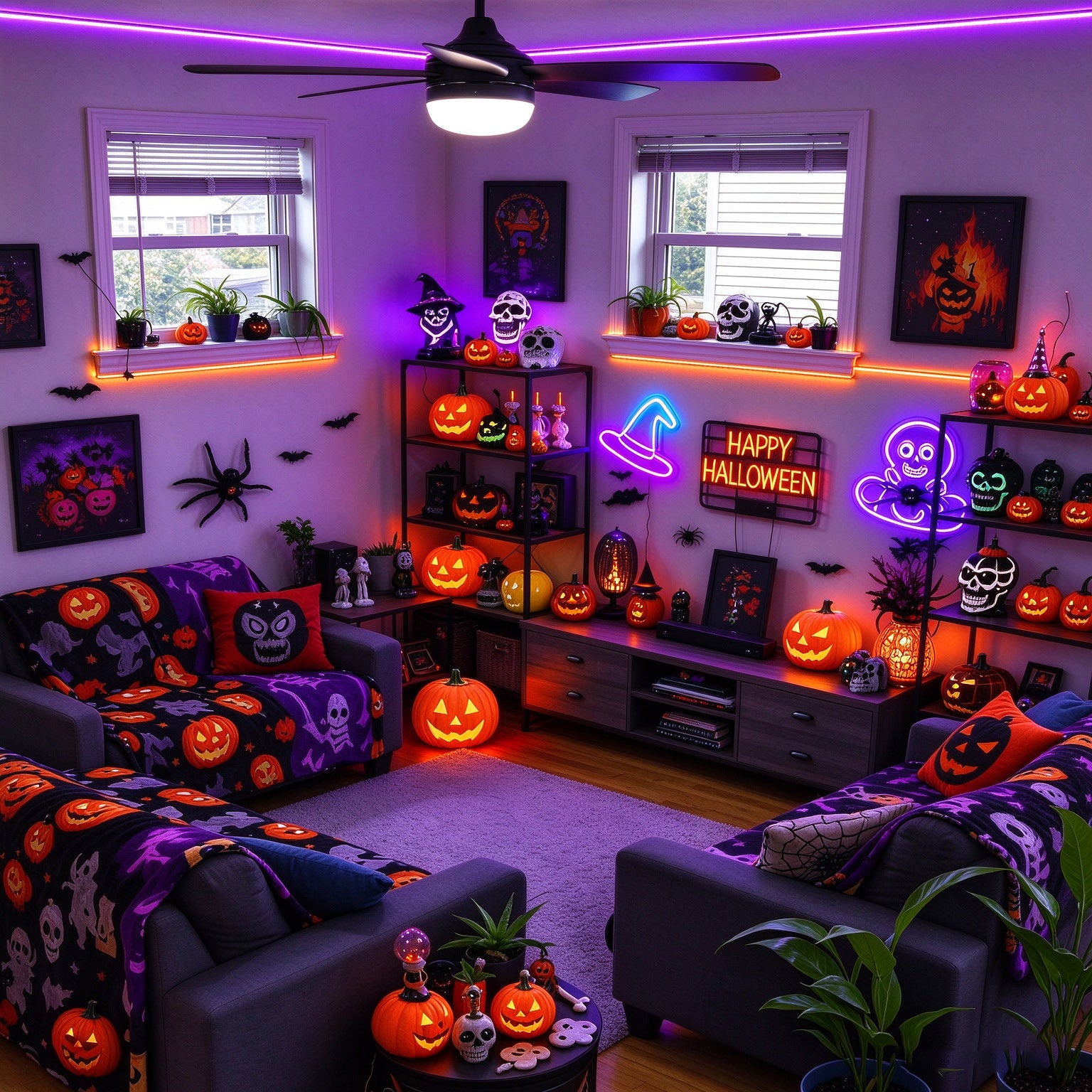
- Entertainment & Holiday Decor: Use 5050 RGB strips to create dynamic colors in gaming rooms and home theaters, or for outdoor holiday decorations like Christmas and Halloween.
- Basic Commercial Lighting: Ideal for standard store shelves or indirect office lighting where staying on budget is important.
Who Should Buy These?
Most DIY Home Users: Especially great for beginners, those on a budget, or anyone who needs a flexible installation.
Renters: Perfect for temporary lighting setups that are easy to install, remove, and won't damage the walls.
Budget-Conscious Business Owners: Best for those who need reliable basic lighting without needing the most expensive visual effects.
RGB, RGBW, and RGBCCT: Color Technology Differences
When picking out color LED strips, you will come across three main color technologies. These determine how many colors the strip can show—and more importantly, how it handles white light. This choice directly affects the final look and feel of your space.
RGB vs RGBW vs RGBCCT
RGB (Red, Green, Blue)
How it works: It mixes red, green, and blue light to create various colors.
The main downside: Its "white" light is made by turning all three colors on at once. This usually looks like a cold, unnatural blueish-white, making it a poor choice for high-quality everyday lighting.

RGBW (Red, Green, Blue + White)
How it works: It adds a dedicated white LED chip alongside the RGB chips.
Core Advantage: It can produce a pure, bright, and true white. While the color effects are the same as RGB, the white light is a massive improvement. It gives you two modes: "vivid colors" and "usable white light."
RGBCCT (Red, Green, Blue + Cool & Warm White)
How it works: This is the most complete option available. On top of RGB, it includes two dedicated white chips: one for warm white (like 2700K) and one for cool white (like 6500K).
Core Advantage: Not only can it show any color, but it can also smoothly adjust the "temperature" of the white light. You can precisely tune your white light from a "warm, sunset amber" to a "bright midday sun" to perfectly match any activity, time of day, or mood.
How to Choose?
Based on your main needs and budget, here is a simple guide to help you decide:
Choose RGB if:
Your budget is very tight and your main goal is to create dynamic color vibes (like in a gaming room, for parties, or holiday decor).
You don’t need the strip for daily tasks like reading or working. The white light is just a low-quality extra, and color is your only priority.
Choose RGBW if:
You want both fun colors and functional white light. For example, you want colorful lights for movies but bright white light for cleaning the living room.
This is the best "all-around" value. It offers a great balance of color and practical white light for most homes.
Choose RGBCCT if:
You have high standards for light quality and see lighting as a key part of your home's design and your well-being.
You want the white light to change with your day. You might want cool white to wake you up in the morning and warm white to help you sleep at night, or you want to perfectly match the light to different activities like working, relaxing, or dining.
This is the top choice for a smart home. It allows you to get the most out of a high-tech, immersive lighting system.
Control & Smart Features: What’s Useful vs What’s Overkill
As technology advances and the demand for smart homes grows, LED strips have developed intelligent control systems. Through apps or remote controls, you can change the power, color, and brightness at any time. Some can even detect music and flash along with the beat. Among these smart features, which ones do we really need, and which are just "nice to have"? Let’s take a closer look.
Control Methods Overview
Choosing the right control method is key to unlocking the full potential of your LED strips. From simple switches to deep smart home integration, the control level you choose determines how easy the lights are to use and how many features you get.
Remote control
A small handheld remote to control the LED strip.
- Pros: Plug-and-play and easy to use. No apps or complicated setup required. It’s great for everyone, especially for older adults who may not be comfortable using a smartphone.
- Cons: Features are fixed and limited (only a few preset colors/modes). You usually have to point the remote directly at the receiver, it has a short range, is easy to lose, and cannot be used for remote control or automation.
- Best For: Basic color or dimming needs. For example, manually changing colors in a bedroom or using it for simple decorative lighting that doesn't need to be smart.
App-based control
Download the brand's app, register, and start using it.
- Pros: It offers full features and is highly customizable. You can pick exact colors, create dynamic scenes, set timers, and sync the lights to music. It usually supports "grouping" (controlling multiple strips at once) and simple automation, like turning the lights on at sunset.
- Cons: You have to use the app to control them, the first-time setup can be a bit complicated, and you are dependent on the app's stability and how well it is designed.
- Best For: Most users who want personalized lighting and basic automation. It is great for creating a specific mood in the living room or setting kitchen lights to turn on and off based on your daily routine.
Voice assistants (Alexa / Google)
Building on app-based control, the light strips or controllers connect to major platforms (like Amazon Alexa, Google Assistant, or Apple HomeKit) through a "Skill" or "Action" to enable voice commands.
- Pros: It provides a hands-free, extremely convenient way to interact. A simple "Alexa, turn on the kitchen light" gets the job done, fitting perfectly into the mainstream smart home ecosystems in the U.S. and Europe.
- Core Value: This isn't just about turning a switch; it's the key to "scene control." For example, saying "Hey Google, set movie mode" can dim the light strips, close the curtains, and turn on the TV all at the same time.
- Best For: Any modern home looking for convenience and smart integration. This is the standard for creating a full-home smart lighting experience.
Do You Really Need Smart LED Strip Lights?
Not everyone needs every smart control option. Most home users only need one or two core features.
The key to choosing a control method is distinguishing between "basic convenience" and "advanced features" while matching your lifestyle and home setup.
Basic Needs
The most basic control method is the remote control. It allows you to turn the LED strip on and off and adjust the colors and brightness.
If you want more control, you’ll need an app. App control offers more features—for example, you can save a "Reading Mode" with a specific brightness and color temperature, or set the lights to turn on automatically at 7:00 PM on weekdays.
Advanced Features
Voice control is for advanced users. This requires your home to already be set up for smart control and for the light strip's app to be compatible with your current smart home system.
If you are renting, an LED strip with a remote control is likely enough for your needs, as it doesn't require installing anything extra. However, if you are a smart home enthusiast and your entire house is already connected, then you should go for an LED strip that supports app or voice control.
Lighting Quality Metrics That Actually Matter
When choosing LED light strips, brightness and color aren't the only things that matter. These three quality indicators directly affect how comfortable the light feels and how long the product lasts.
Color Rendering Index (CRI)
CRI measures how accurately a light shows the true colors of objects, with a maximum score of 100.
For general mood lighting: Choose CRI 80 or higher.
For task areas (like kitchen counters, makeup mirrors, or desks): Make sure to choose CRI 90 or higher. This is crucial for spots where you need to see colors accurately.
Color Temperature Stability
This refers to whether the white light (from warm yellow to cool blue) stays consistent across the entire strip. Low-quality strips might have "color gaps," where one section looks yellower and another looks whiter. This can really ruin the look of your room. Reliable brands use better LED chips and power drivers to keep the color steady. Tip: Plug in the strip to test it before you install it.
Light Degradation & Longevity
- Light Degradation: This is the process where the strip slowly loses brightness over time.
- Lifespan: This usually refers to how many hours the strip lasts before its brightness drops to 70% of its original level (for example, a rating of 25,000 hours).
Cheap strips might get noticeably dimmer or turn yellowish within just a year or two. A long lifespan isn't just about the light "staying on"; it's about how bright it stays over time. Pay attention to the degradation rating and heat management. Good cooling—like mounting the strip in an aluminum channel—is the secret to a long life. For lights you plan to use every day or in hard-to-reach places, prioritize products with low light degradation.
Choosing LED Strip Lights by Space & Scenario
Different spaces and scenarios have different needs for LED strips. Some are used to create a soft mood, some serve as background colors, and others are used for extra lighting. Because of this, you should choose the right LED technology and specs based on where you plan to use them.
Bedroom & Ambient Lighting
In the bedroom, LED strips are usually used to create a cozy vibe or a romantic atmosphere with colorful lights. Therefore, the light must be perfectly soft, glare-free, and have an adjustable color temperature to suit different activities like resting or reading. You can choose RGBCCT strips or high-CRI SMD 2835 warm white strips. RGBCCT is great because it lets you flexibly change the color and temperature to match your mood.
- Brightness: 400–600 lumens per meter is enough; it doesn't need to be too bright.
- Color Temperature: A warm white light of 2700K–3000K is the standard, while RGBCCT allows you to adjust across the full range from 2700K to 6500K.
- Uniformity: Choose a high-density model or use a light cover (channel) to make sure the indirect light is soft and even.
Living Rooms & TV Backlighting
For the living room or TV background, LED strips are used to make movies more immersive, reduce eye strain, and add a decorative touch. The light should spread evenly and avoid shining directly into your eyes. COB strips are the best choice for achieving a perfectly smooth glow. If you want dynamic color-changing effects, you can choose RGBIC or high-density SMD 5050 strips.
- Brightness: Should be adjustable, with a suggested range of 300–600 lumens per meter. Keep it low while watching movies and turn it up for daily use.
- Color: Choose RGBW or RGBCCT. Use the pure white mode for everyday activities and the dynamic color modes for entertainment.
Retail, Displays & Events
Commercial environments need LED strips to grab attention, show colors accurately, and be reliable and durable. In a business space, the lighting must highlight products and build a brand image; for events, it needs to be flexible enough to create a specific mood. Using LED strips to DIY an event theme is a very creative idea, especially for parties or special gatherings.
- High-End Product Displays: Use high-CRI COB strips. These provide museum-quality, even lighting that makes items look their best.
- General Shelf Lighting / Budget Projects: Use high-efficiency, high-CRI SMD 2835 strips. These are reliable and cost-effective.
- Events & Mood Setting: Use addressable RGBIC strips. These allow for complex dynamic effects like chasing lights and smooth color gradients.
Where Brands Fit In
We have shared a lot of technical knowledge about LED strips, but in today’s market, most home users still focus on RGB, RGBW, and RGBCCT. These technologies are what make light strips look so colorful and smart.
If you are looking for an LED strip that can be controlled by a smart app, two brands stand out: Philips Hue and Govee. Both are incredibly popular right now and are highly rated by users. Their products are excellent at setting the perfect mood.
If you only need a basic RGB LED strip and are on a tight budget, the Lamomo Smart RGB Strip is your best bet. Lamomo’s smart waterproof strips are high-quality and come with easy-to-use remote control features.
Of course, there are many other brands available. You can choose the one that best fits your specific needs and budget.
Final Thoughts
This article explains the differences between LED light strips in detail—covering technology, placement, and lighting effects. This helps users match their specific needs with the right technology before buying, ensuring they find the perfect light strip for their home.