











Table of Contents
LED strip lights have become a popular choice for adding extra lighting to homes and other spaces. They’re easy to incorporate into different areas, from kitchen cabinets and bedroom ceilings to shelves and decorative features.
When shopping for LED lights, you’ll most likely come across standard LED strips and LED Neon Flex. Although they serve similar purposes, their construction and lighting effects are quite different.
In this guide, we will explore the differences between both options, where each works best, and what to consider when choosing between them.
What Are Standard LED Strips?
Standard LED strips, also known as traditional LED strips, are flexible lighting strips with small LED chips arranged along a circuit board.
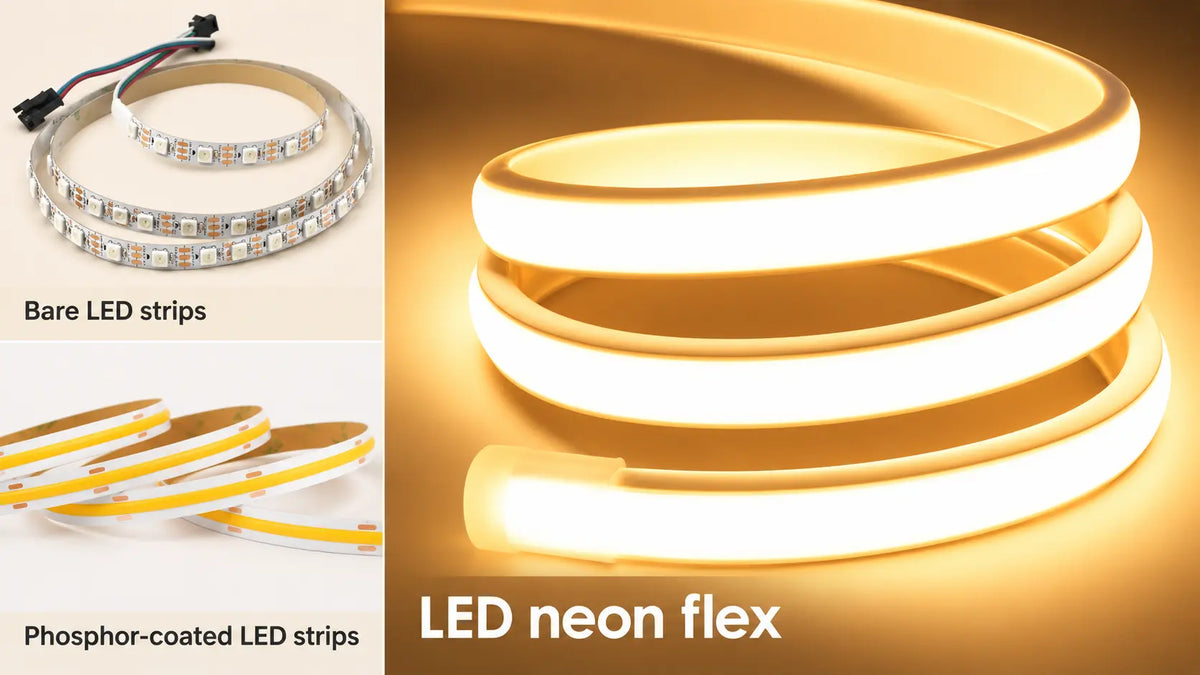
These strips come in different designs, which affect the color and overall appearance of the emitted light. Examples include bare LED strips and phosphor-coated LED strips.
- Bare LED strips have exposed LED chips without a protective coating, producing visible points of light when switched on.
- Phosphor-coated LED strips have a layer of phosphor coating over the LED chips, which helps blend the light and reduce visible spots. These kinds of LED strips produce a smoother, more uniform glow compared to bare LED strips.

Standard LED strips come in two main technologies: SMD (Surface-Mounted Device) and COB chip-on-Board).
SMD strips have individually packaged LED chips, while COB strips have many tiny LED chips mounted closely together on the circuit board. The dense arrangement creates a smoother, more uniform, and continuous line of light.
Whether bare or coated, all standard LED strips have LED chips mounted on a flexible circuit board.
What Is LED Neon Flex?
LED Neon Flex is a type of LED lighting that houses its LED components inside a flexible diffuser, usually made from silicone. The enclosure spreads the light across the strip's surface, creating a smooth and continuous glow similar to traditional neon lighting. It also has a thicker, more defined profile than standard LED strips.
The LEDs inside Neon Flex products also aren’t limited to one technology. Some use SMD LEDs, while others may use different configurations. The defining feature is the flexible diffuser housing rather than whether the strip uses SMD or COB technology.
Lamomo’s Waterproof LED Strip Lights for Decoration is one example. It uses SMD 2835 LEDs inside a flexible silicone housing and carries an IP65 rating. This design produces an even, side-emitting glow suitable for decorative lighting and custom neon-style projects.

Standard LED Strips vs. LED Neon Flex: Key Differences
Although both are used for accent and functional lighting, standard LED strips and LED Neon Flex differ in several ways.
Construction and Structure
Standard LED strips have LED chips mounted along a flexible circuit board, with the light sources visible on the strip. LED Neon Flex places its LEDs inside a flexible silicone housing, which covers the light sources and diffuses their output. This gives each type a distinct structure and appearance.
Light Output and Appearance
Bare LED strips often show individual points of light, especially when installed without a diffuser or aluminum channel. This makes them suitable for installations where the strip itself stays hidden.
LED Neon Flex produces a more uniform glow because its silicone housing diffuses the light across the strip. Rather than seeing separate LED chips, you get a continuous line of illumination. This makes it a popular choice for decorative features, signs, and installations where the light source remains visible.

Flexibility and Durability
Standard LED strips bend easily along their length and fit neatly into straight runs, corners, and narrow spaces. However, their circuit boards and exposed components require careful handling to avoid damage.
LED Neon Flex also bends to follow different shapes and surfaces, although its bending direction and minimum bend radius depend on the design. Its silicone enclosure offers additional physical protection, making it suitable for installations where the strip remains exposed.
How to Install and Use Standard LED Strips and LED Neon Flex
Both standard LED strips and LED Neon Flex are easy to install with the right tools and accessories.
Follow these steps for a neat finish.
Standard LED Strip Lights
- Clean the installation surface thoroughly and allow it to dry. Remove dust, grease, and other substances that could prevent the adhesive from sticking properly.
- Measure the area you want to cover and cut the LED strip to the required length. Only cut along the designated cutting marks to avoid damaging the circuit.
- Peel off the adhesive backing and press the strip firmly against the prepared surface. You can also use mounting clips or aluminum channels for additional support.
- Connect separate sections using compatible connectors. Check that the connections match the LED strip’s voltage and configuration.
- Attach the strip to a compatible power supply. For RGB or color-changing LED strips, connect the appropriate controller to adjust the colors and lighting effects.
- Switch on the lights to check that every section works properly before securing loose cables and completing the installation.
LED Neon Flex
- Measure the installation area and plan the path the LED Neon Flex will follow. Account for corners, curves, and connection points before cutting.
- Cut the strip only at its designated cutting points. Depending on the model, you’ll also need compatible connectors and end caps.
- Attach suitable mounting clips, brackets, or aluminum channels to the installation surface. Lamomo's RGB LED Strip Lights 8mm × 16mm, for example, come with mounting clips and screws to secure the strip during installation.
- Fit the LED Neon Flex into its mounting accessories. Follow the manufacturer’s recommended bending direction and minimum bend radius to avoid damaging the strip.
- Connect the strip to a compatible power supply. If the model supports dimming or color changes, install the appropriate controller.
- Check the product’s IP rating before installing it outdoors or near water. Ensure the connectors and end caps provide suitable protection.
- Switch on the lights and inspect the connections, mounting, and illumination to confirm everything works properly.
Where to Use Each Type of LED Strip
Standard LED strips, including bare LED strips, suit practical and concealed lighting, while LED Neon Flex works well for visible decorative features.
Standard LED strips are suitable for:
- Inside wardrobes and display cabinets.
- Along shelves and bookcases.
- Behind televisions and entertainment units.
- Recessed ceilings and cove lighting.
LED Neon Flex is best suited for:
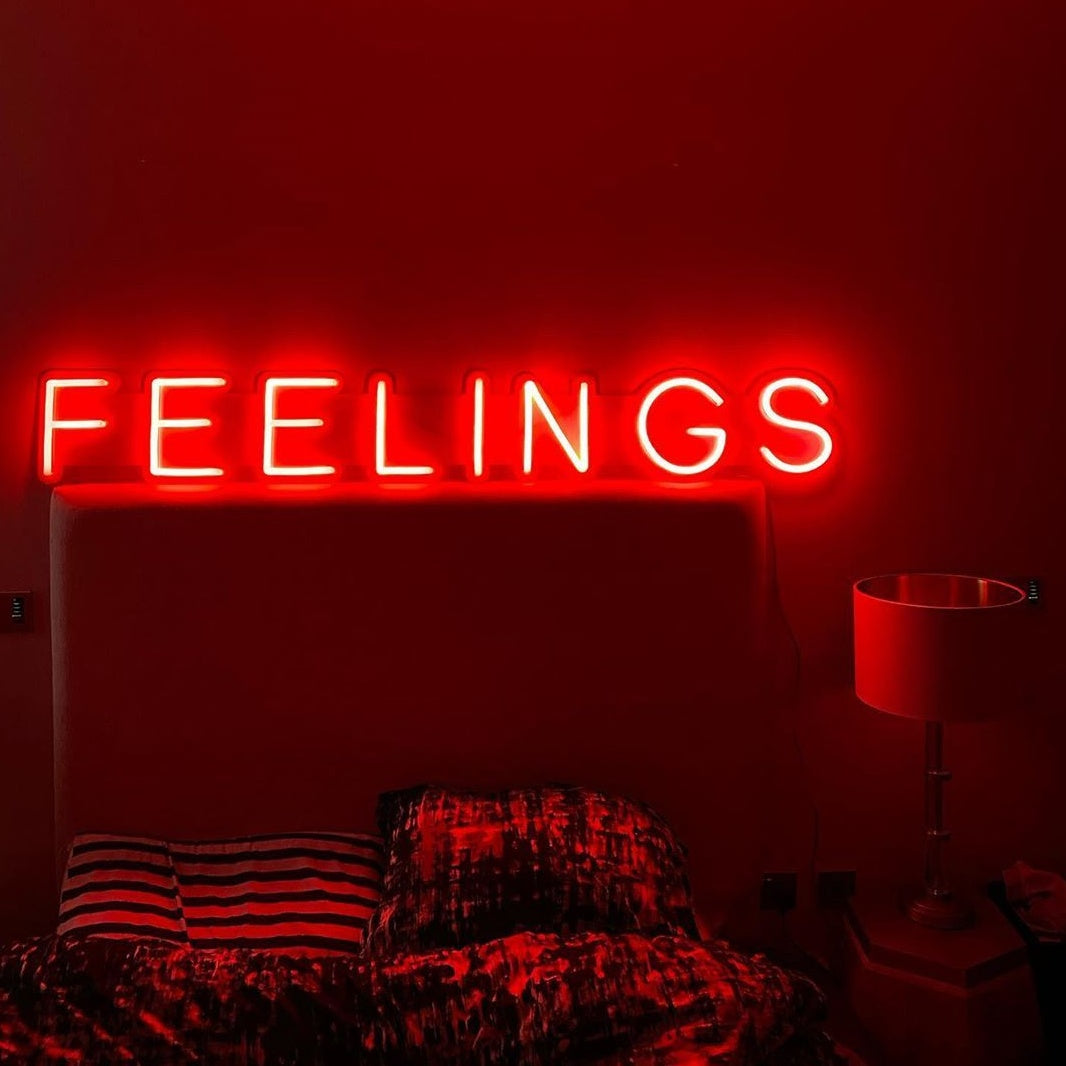
- Illuminated signs and lettering.
- Under-cabinet kitchen lighting.
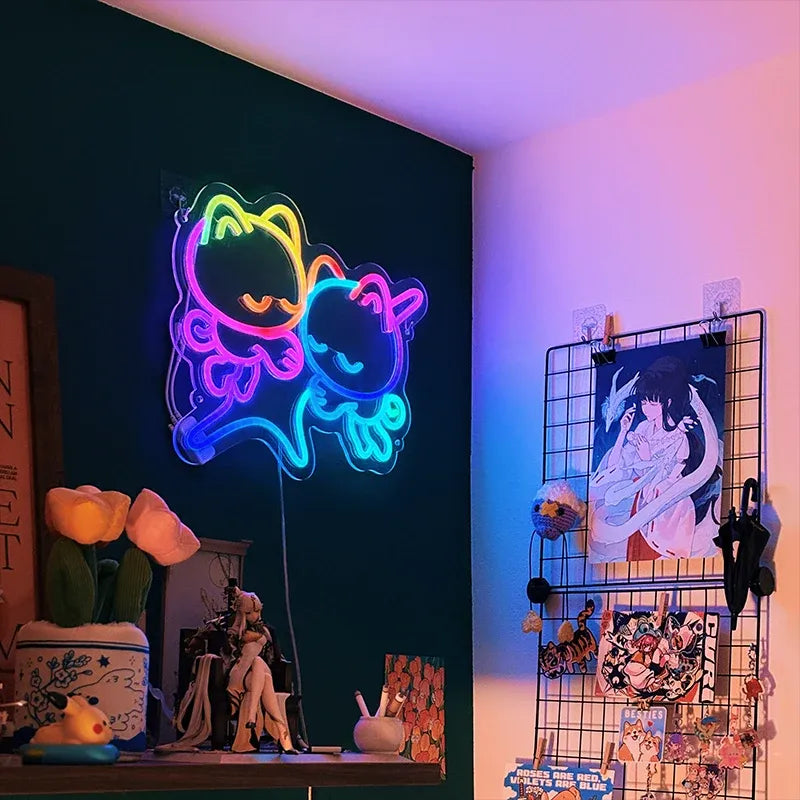
- Decorative bedroom and living room features.
- Architectural edges and building outlines.
- Mirrors, furniture, and wall accents.
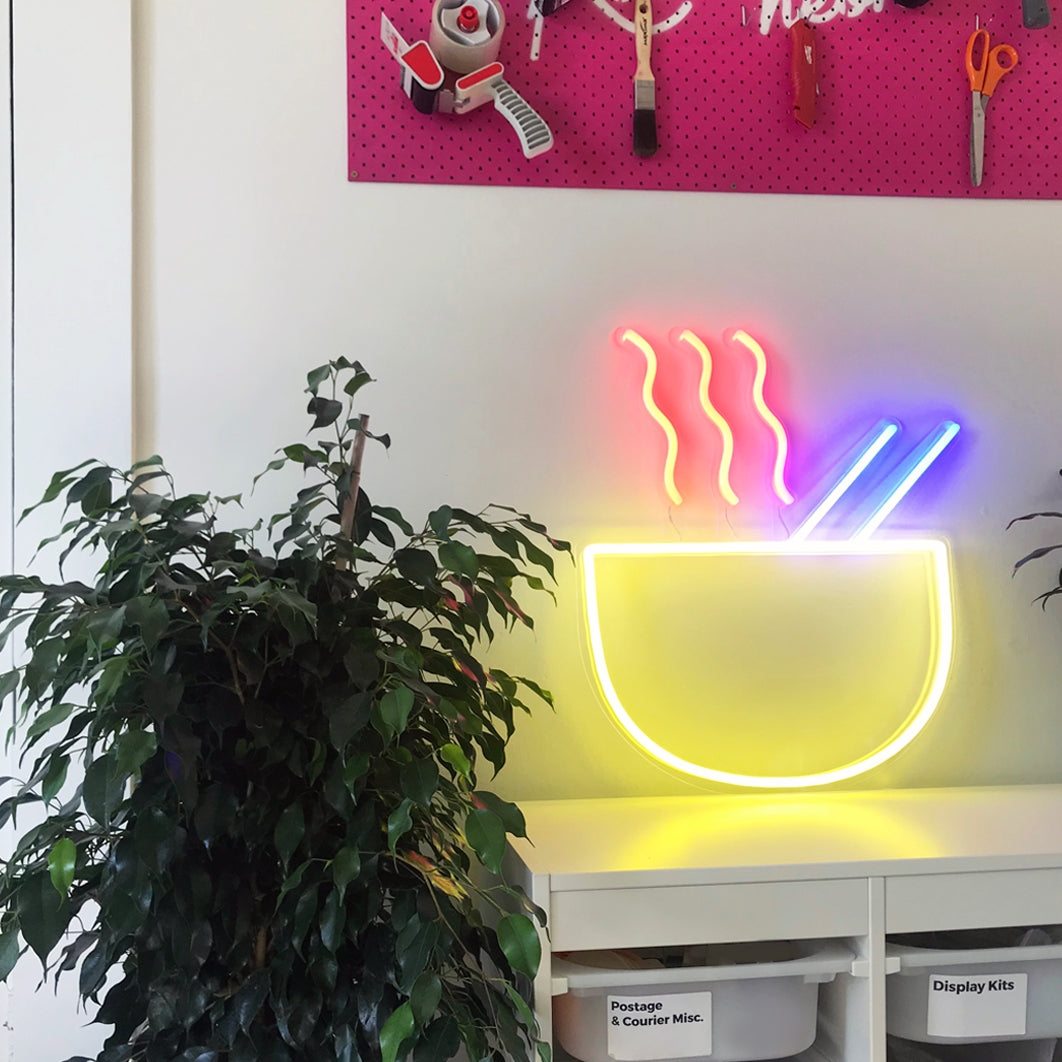
- Curved designs and decorative borders.

Which Should You Choose?
Consider these 5 factors before choosing between standard LED strips and LED Neon Flex.
1. Installation Location
Consider where you intend to install the lights. Standard LED strips work well in narrow and concealed spaces, such as shelves, and ceiling recesses. LED Neon Flex is better suited to visible installations, decorative outlines like kitchen cabinets, and architectural features.
2. Desired Lighting Effect
Think carefully about the appearance you want to achieve before making a choice. Bare LED strips produce visible points of light, while COB strips offer smoother illumination. LED Neon Flex produces a continuous, diffused glow.
3. Installation Requirements
Consider the available mounting space and accessories. Standard LED strips fit easily into narrow spaces, while LED Neon Flex requires room for its thicker profile and recommended bending radius.
4. Environmental Exposure
Check the IP rating before installing either option in areas exposed to dust or moisture. Lamomo’s Waterproof LED Strip Lights have an IP65 rating, which protects against dust and water splashes. The product doesn’t include a power adapter, so you’ll need a compatible 12V DC supply. Outdoor connections also need suitable protection.
5. Budget and Product Options
Standard LED strips are generally more affordable than LED Neon Flex because they have simpler construction. However, Lamomo offers neon LED strip lights as low as $19.99, with prices varying by product type and features.
FAQs
1. Do bare LED strips produce visible light spots?
Yes. Bare LED strips have exposed LED chips that appear as individual points of light. An aluminum channel with a diffuser helps create a softer, more uniform appearance.
2. Can LED Neon Flex be cut to size?
Yes. Most LED Neon Flex products have designated cutting points. Follow the manufacturer’s instructions to avoid damaging the strip or its connections.
3. Are LED Neon Flex lights suitable for outdoor use?
Yes, some models are designed for outdoor use. Check the IP rating to confirm their resistance to dust and water before installation.
4. Which is better for decorative lighting, standard LED strips or LED Neon Flex?
LED Neon Flex is suitable for visible decorative features, signs, and architectural outlines. Standard LED strips work well for concealed accent lighting, cabinets, and shelves.
Conclusion
Whether you’re adding subtle lighting beneath your kitchen cabinets or creating a striking feature around your walls, the right LED strip makes all the difference. Standard LED strips and LED Neon Flex each bring something different to your space.
Ready to find the right lighting for your next project? Explore Lamomo’s LED lighting collection to find an option that suits your style and space.