




Table of Contents
Neon colors are vibrant and super bright versions of primary and secondary colors that glow. You might have seen them in the form of electric blue, hot pink, and fluorescent colors at homes or commercial spaces. Unlike traditional tones, they are designed to emit light, compelling people to stop to admire or use them as a background for pictures. These have gained more popularity with the rise of neon signage, and then there was no turning back as the neon factor was incorporated in fashion, art, and design.
According to Chartare, the neon colors palette for summer 2025 includes Electric Lime, which conveys freshness and energy, and Fuchsia Intenso, considered a symbol of modern and bold femininity.
The term “neon color” is commonly used in fashion, graphic design and interior decor, although not every neon-colored object contains actual neon gas. Below, you’ll find a complete neon color palette with HEX and RGB codes, followed by practical tips for combining and using these colors.
Neon Colors: What Are They?
Neon colors are extremely bright, highly saturated shades that look as if they are glowing. They are usually pink, green, yellow, orange, blue or purple, pushed to a level of vividness that ordinary colors rarely reach. The name comes from neon signs, but today it describes a look rather than a light source: a color can look neon without producing any light at all.
The term is often used loosely, so it helps to separate three related ideas.
| Term | What it means | Does it produce light? |
|---|---|---|
| Neon colors | A bright, saturated color style | Not necessarily |
| Fluorescent colors | Pigments that convert UV light into visible light | No, they need a light source to react to |
| Actual neon light | Traditional glass tubes filled with electrically charged gas, or modern LED neon signs that use LEDs to recreate the same glowing effect | Yes |
Neon colors (the everyday term)
This is the broad label used in fashion, graphic design, and interior decor. It describes any color that looks intensely vivid and eye-catching, whether it appears on a T-shirt, a poster, a website, or a wall. It says nothing about how the color is made or whether it emits light.
Fluorescent colors (a specific type of pigment)
Fluorescent colors come from special pigments or dyes that absorb invisible ultraviolet (UV) light and re-emit it as visible light. This extra emitted light is why highlighter inks and safety vests look brighter than regular colors, especially in sunlight or under UV (black) light. They still need an outside light source to work; they do not glow on their own in the dark.
Actual neon light (a lit glass tube)
A real neon sign is a glass tube filled with gas that glows when electricity passes through it. Pure neon gas produces a red-orange light. Other colors in a “neon” sign are usually made differently: with other gases such as argon, with a phosphor coating inside the tube, or with colored glass. Many modern signs, including LED neon lights, use LEDs to reproduce the same effect without any gas.

Neon Color Palette With HEX and RGB Codes
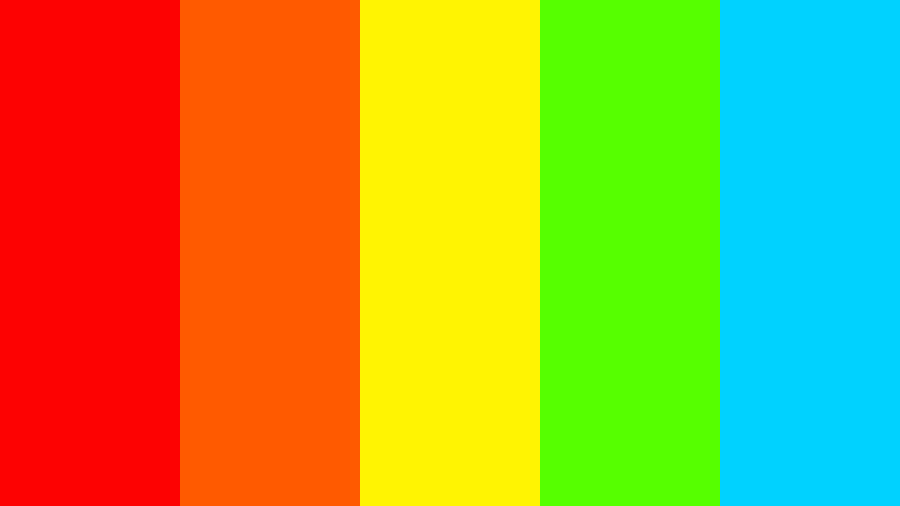
Use the neon color palette below to find the right shade for your design, brand, or lighting project, with HEX and RGB codes you can copy directly.
| Color | Neon Color | HEX Code | RGB | Visual Character |
|---|---|---|---|---|
|
|
Neon Pink | #FF10F0 |
255, 16, 240 | Bold, playful and energetic |
|
|
Neon Green | #39FF14 |
57, 255, 20 | Electric, futuristic and highly visible |
|
|
Neon Yellow | #FFF01F |
255, 240, 31 | Bright, cheerful and attention-grabbing |
|
|
Neon Orange | #FF5F1F |
255, 95, 31 | Warm, energetic and sporty |
|
|
Neon Blue | #1F51FF |
31, 81, 255 | Cool, digital and futuristic |
|
|
Neon Purple | #BC13FE |
188, 19, 254 | Creative, mysterious and dramatic |
|
|
Neon Red | #FF3131 |
255, 49, 49 | Intense, urgent and powerful |
|
|
Neon Cyan | #0FF0FC |
15, 240, 252 | Fresh, technological and luminous |
|
|
Neon Lime | #CCFF00 |
204, 255, 0 | Youthful, vivid and unconventional |
|
|
Neon Magenta | #FF00FF |
255, 0, 255 | Saturated, expressive and glamorous |
Digital neon colors do not have one universally fixed HEX value. The codes above are commonly used approximations and may appear differently across screens and materials.
Most Popular Neon Colors
Neon colors are popular because they grab attention instantly and feel energetic. The ten shades below are the most widely used across fashion, graphic design, and lighting, along with what each one is best known for.
Neon Pink
Neon pink is playful, bold, and instantly recognizable. It is one of the most popular choices for LED neon signs because it glows warmly and photographs well. Pink works especially well for bars, salons, bedrooms, and boutique shops, where it creates a fun, social atmosphere. It also pairs easily with blue or purple for a classic nightlife look.
Neon Green
Neon green is a high-energy color often linked with technology, gaming, and sports. It is one of the most visible colors to the human eye, so it stands out clearly even in busy spaces. In lighting, it suits game rooms, studios, and modern interiors that want a futuristic touch. It also works well in safety and activewear design.

Neon Yellow
Neon yellow is the brightest of the neon shades and is strongly tied to visibility and caution. You will see it on highlighters, safety gear, and running clothes. As a sign color, it feels cheerful and attention-grabbing, making it a good fit for cafes, retail displays, and creative workspaces. Use it in small doses, since a large area can feel overwhelming.
Neon Orange
Neon orange feels warm, lively, and slightly retro. It is closest to the red-orange glow of traditional neon gas, so it carries a nostalgic, classic neon sign feel. Orange works well for restaurants, bars, and casual spaces that want a welcoming mood. In design, it adds energy without being as intense as pure red.
Neon Blue
Neon blue is cool, sharp, and strongly associated with nightlife, technology, and sci-fi aesthetics. It is a favorite for gaming setups, music spaces, and modern bedrooms because it feels immersive and calming at once. Blue also contrasts beautifully with pink and orange, making it a common partner in two-tone neon designs.

Neon Purple
Neon purple feels creative, mysterious, and a little luxurious. It is popular in gaming rooms, bedrooms, beauty studios, and entertainment venues where a dreamy or dramatic mood is wanted. Purple glows richly against dark walls and blends smoothly with pink and blue, which makes it easy to build cohesive color schemes around.
Neon Red
Neon red is strong, passionate, and impossible to ignore. It is closely connected to classic neon signage, since red-orange is the natural color of neon gas. Red suits bars, diners, “open” signs, and any space that wants a bold, high-impact statement. Because it is so intense, it often works best as an accent rather than a main color.
Neon Cyan
Neon cyan is a bright blue-green shade that feels fresh, clean, and futuristic. It is widely used in digital design, gaming, and cyberpunk-inspired decor. As a light, cyan looks crisp and modern, and it pairs especially well with magenta or pink for a high-contrast, electric effect that stands out in dark rooms.
Neon Lime
Neon lime sits between yellow and green, giving it a zesty, youthful energy. It is popular in streetwear, sports branding, and creative spaces that want to feel fresh and playful. Compared with neon green, lime looks lighter and more vibrant, so it is a good choice when you want maximum brightness without a heavy tone.
Neon Magenta
Neon magenta is a vivid pink-purple shade that feels daring and expressive. It is common in fashion, music, and event design, where a strong visual statement is the goal. Magenta glows beautifully as LED neon and works well alone or paired with cyan, blue, or yellow for a bold, modern palette.
History of Neon Colors
Origins Of Neon
Neon colors have an interesting history. British chemists such as Sir William Ramsay and Morris W. Travers discovered the neon element in 1898. They discovered this “new” gas while studying about air. After being electrically charged, neon gas emits a distinctive reddish-orange light, and this went on to become the cornerstone of neon lighting and ultimately, the broader aesthetic of neon colors. Apart from this, Georges Claude, a French engineer, in 1900 received credit for creating the first practical neon lamp, portraying its ability for signage and illumination.
Rise of Neon Aesthetics
In the early 20th century, neon lights were gradually embraced, mainly for advertising purposes. The striking glow of neon signs started to revamp cityscapes, adding a new dimension of visuals, especially at night. Later onwards by the 1920s and 1930s, neon signs were crowned as iconic features of urban environments across the globe, standing out as a symbol of modernity and progress. One of the major reasons neon signs were attracting people was that their glass tubes could bend into complicated shapes, which allowed the business owners to transform the signs into attractive mediums. The time zone marked the initial connection of a neon sign with energy, and how the city comes to life after dark.
Neon in Pop Culture & Safety
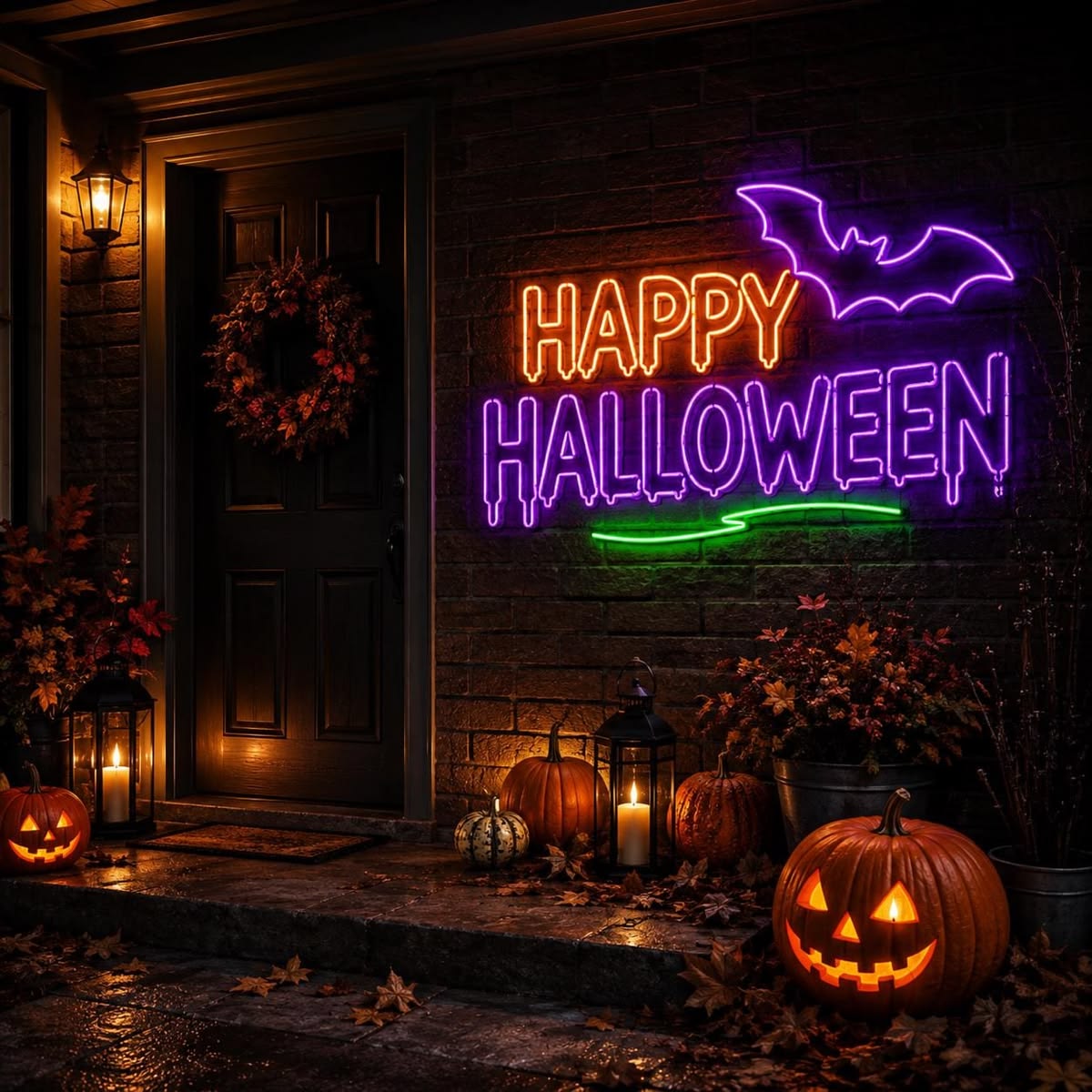
With the prevalence of neon lights, the illumination made its way smoothly into pop culture, too. The vibrance became linked with nightlife, entertainment, and an edge that other cities were yet to mimic. For instance, recall the signage of Las Vegas and the streets of film noir; the shine of neon colors compelled people to use them in applications for safety. Neon orange and yellow were seen in safety vests and other related sectors, where visibility is crucial. Therefore, neon signs surfaced as a lifesaver and for grabbing maximum eyes, too.
Digital Age & Modern Revival
Due to energy efficiency and environmental concerns, traditional neon tube lighting didn’t get as much appreciation, but the neon colors have experienced a drastic revival in the digital age. The advancements in LED technology have unlocked opportunities to create “faux neon” signs that exhibit the same glow with better energy efficiency and safety. Furthermore, the retro-futuristic vibe linked with neon has again become famous in graphic design, interior decorations, and fashion. Its bold nature aligns well with digital screens, and continues to display a sense of energy, nostalgia for past decades, and modern funky style.
Neon Colors vs. Fluorescent Colors
Neon colors and fluorescent colors are often used as if they mean the same thing, but they are not identical.

“Neon” is an everyday term for any extremely vivid, saturated color that looks like it glows. “Fluorescent” is more technical: it refers to pigments or dyes that absorb UV light and re-emit it as visible light, which is why highlighters and safety vests look so bright in sunlight. Many neon-looking colors are in fact fluorescent, but a neon color can also be a simple digital shade on a screen, and a real neon sign is a powered light source rather than a pigment. The table below shows the key differences.
| Feature | Neon colors | Fluorescent colors |
|---|---|---|
| Common meaning | Extremely bright, glowing-looking colors | Colors made with fluorescent pigments |
| Actual glow | May only appear to glow | React strongly under UV light |
| Common uses | Digital design, decor, signs, fashion | Safety gear, printing, highlighters, UV effects |
| Examples | Electric blue, neon purple, neon pink | Highlighter yellow, safety orange, fluorescent green |
How to Use Neon Colors for Home Aesthetic?
Rooms
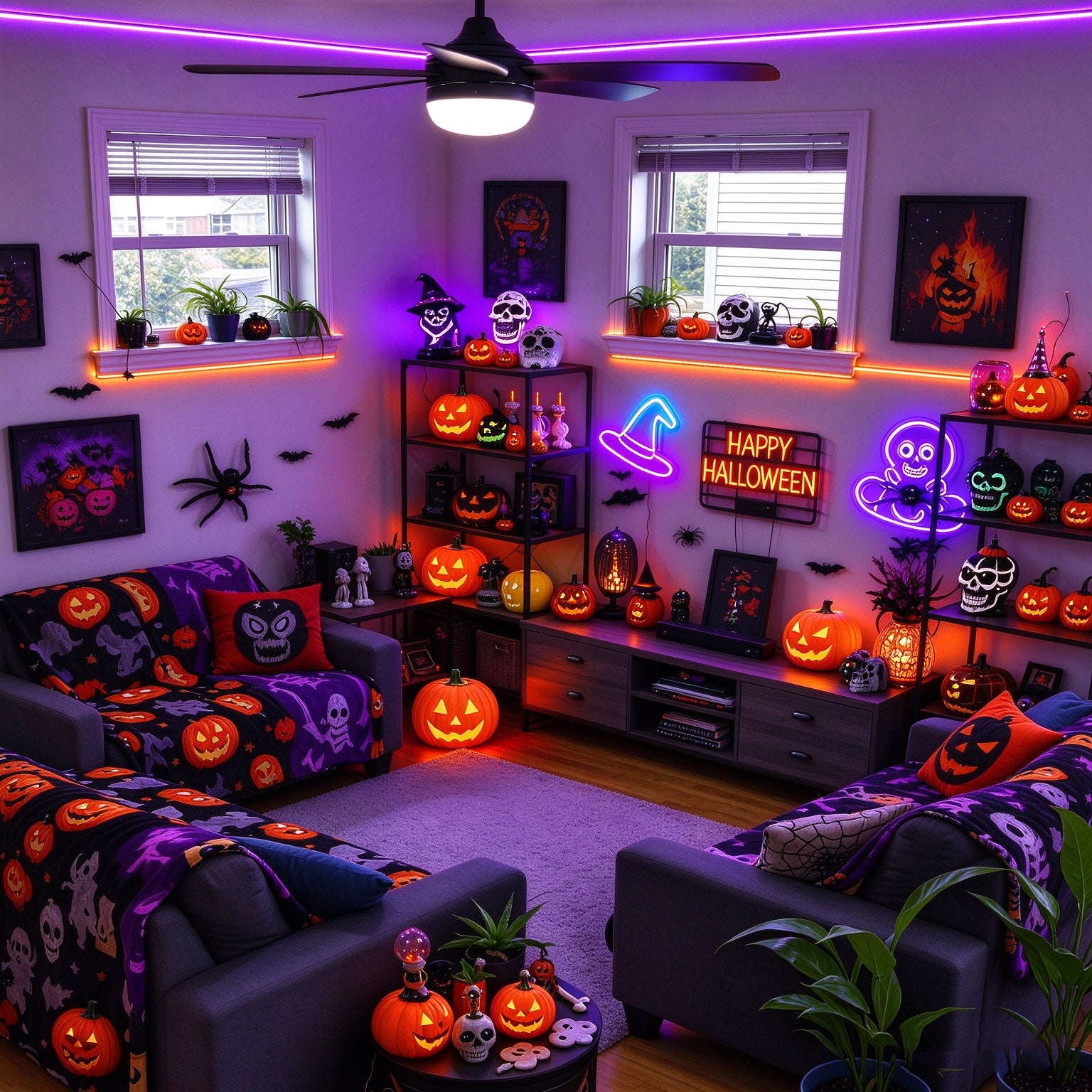
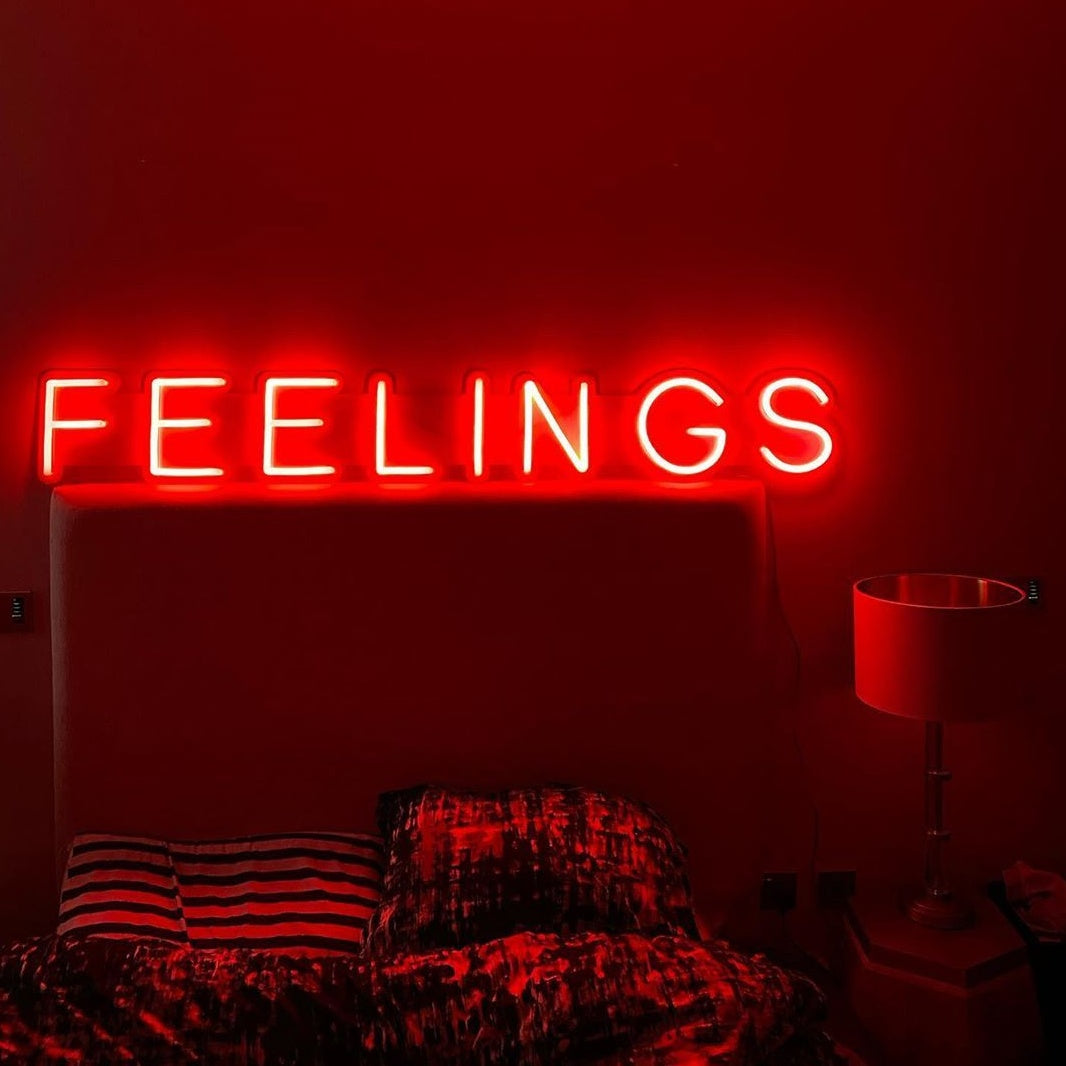
If you want to use the neon sign for room, it won’t require you to change your comfort zone in a nightclub, but you have to play around in a light way. For instance, a neon-shade throw pillow or a piece of abstract art designed with bold neon strokes in your living room. A single neon sign with a quote or words can create a mid-point in your room without overwhelming the theme. Besides, a neon desk lamp in electric blue or lime green can elevate your workspace.
Besides neon signs, you can also use LED strip lights to bring vibrant neon-style colors into your room. For a more premium lighting experience, COB LED strips are an excellent choice. With dot-free illumination, ultra-smooth light output, and a soft, refined glow, COB strips create a much cleaner and more modern atmosphere compared to traditional LED strips.
Indoor 24V COB LED strips are especially popular for DIY room lighting projects. They can be installed in ceiling coves, closets, wall décor setups, under cabinets, along baseboards, behind TVs, or around gaming desks to create immersive ambient lighting.
For people who love modern interiors, gaming rooms, or aesthetic bedroom designs, COB LED strips are one of the easiest ways to achieve a stylish neon-inspired space with smooth and comfortable lighting.

Events
Have an event coming up and want it to be the best one in town with the help of neon colors? Well, you can use them on the bar or the dance floor, then grab some neon strip lights to increase the festive vibrancy or neon patterns on the wall. Apart from this, you can experiment with the table settings by placing neon-rimmed glassware or straws. After all, your aim is to create a visually exciting experience for guests so that they have never witnessed such a gathering before.
Wedding
You can use neon colors on your wedding day to add a vibrant twist to those traditional decorations. Order a custom wedding neon sign with your and your partner’s initials or a phrase as a backdrop for photos. Neon lights can take your reception space to the next level with such glow; therefore, feel free to use them in your floral arrangements, entrance, and table seating, or painted foliage.

Garden
Traditional neon tubes will not be ideal for your garden, so you can move on with solar-powered LED lights or RGB outdoor LED strip lights in vibrant shades. Place them on the path, plants, or use neon-colored pots, and see the difference. Furthermore, you can also use outdoor-friendly neon string lights to create a festive aura for evening gatherings.
How to Use Neon Colors for Business?
Bar
Brightly lit neon bar signs displaying the name of the bar or a shape of a cocktail can be a great neon signage for your bar. At night, the neon sign will attract a lot of customers. Hence, consider using accents in the bar area or as a backdrop, showcase the range of alcohol you serve in neon-lit shelves.
Coffee Shop
A neon sign featuring your coffee shop’s name or even a coffee-related image can be a sales booster. Besides, you can use smaller accents like an “Open” sign or a neon artwork to highlight a particular area of your coffee shop, like the order counter or near the tables, forcing everyone to grab a chair there only.
Restaurant
Use subtle neon lights to create a catch ambiance in a bar area or the main dining area. If you want to attract customers, then use neon to accent architectural details or artwork.
Conclusion
Now that you know all about neon colors, we hope you find the glowing idea interesting. Furthermore, if you think neon signs can benefit your space, then get "Custom Neon Signs with Lamomoneon"