















Table of Contents
Does love have a universal language? Every February 14th, the world witnesses nearly identical scenes: red roses, heart-shaped chocolates, candlelit dinners—this is the globally recognized “Valentine’s Day.” Yet, on the other side of the globe, roughly half a year later, another love-centered holiday quietly unfolds, following an entirely different cultural script: China’s Qixi Festival.
Though both celebrate romance, their origins, core values, and modes of expression are deeply rooted in distinct civilizational soils—from a Roman martyr to the celestial legend of two star-crossed lovers divided by the Milky Way; from overt gift-giving to moonlit needle-threading rituals. The differences go far beyond dates and surface-level customs.
In this article, we’ll dive into the fascinating origins of Qixi and Western Valentine’s Day, their evolving traditions, and the cultural meanings behind them. By understanding how East and West define and express romance, you may gain fresh insight into the very nature of love. And of course, we’ll wrap up with a practical guide to choosing the perfect gift—no matter which tradition you’re celebrating. (For detailed gift ideas, check out our earlier post on Valentine’s Day gift recommendations.)
What Is Qixi? The Chinese Festival of Love
For many Westerners, Qixi is casually dubbed “Chinese Valentine’s Day”—but that label barely scratches the surface. To really get it, we need to go back: to ancient Chinese skies, and a story far deeper than just romance.
1. Origins: Stars + Seasons
Qixi began with stargazing. Over 2,000 years ago, “Zhinü” (the Weaver Star) and “Niulang” (the Cowherd Star) were already named in the Classic of Poetry. On the 7th night of the 7th lunar month, they blaze brightest—fitting, since “seven” symbolizes luck and cycles in Chinese culture. This time also marks the shift from summer to autumn, when women traditionally started weaving winter clothes. So Zhinü naturally became a goddess of skill, labor, and feminine wisdom—not just love.
2. The Legend: Love, Loss, and the Magpie Bridge
The stars inspired China’s most famous love story:
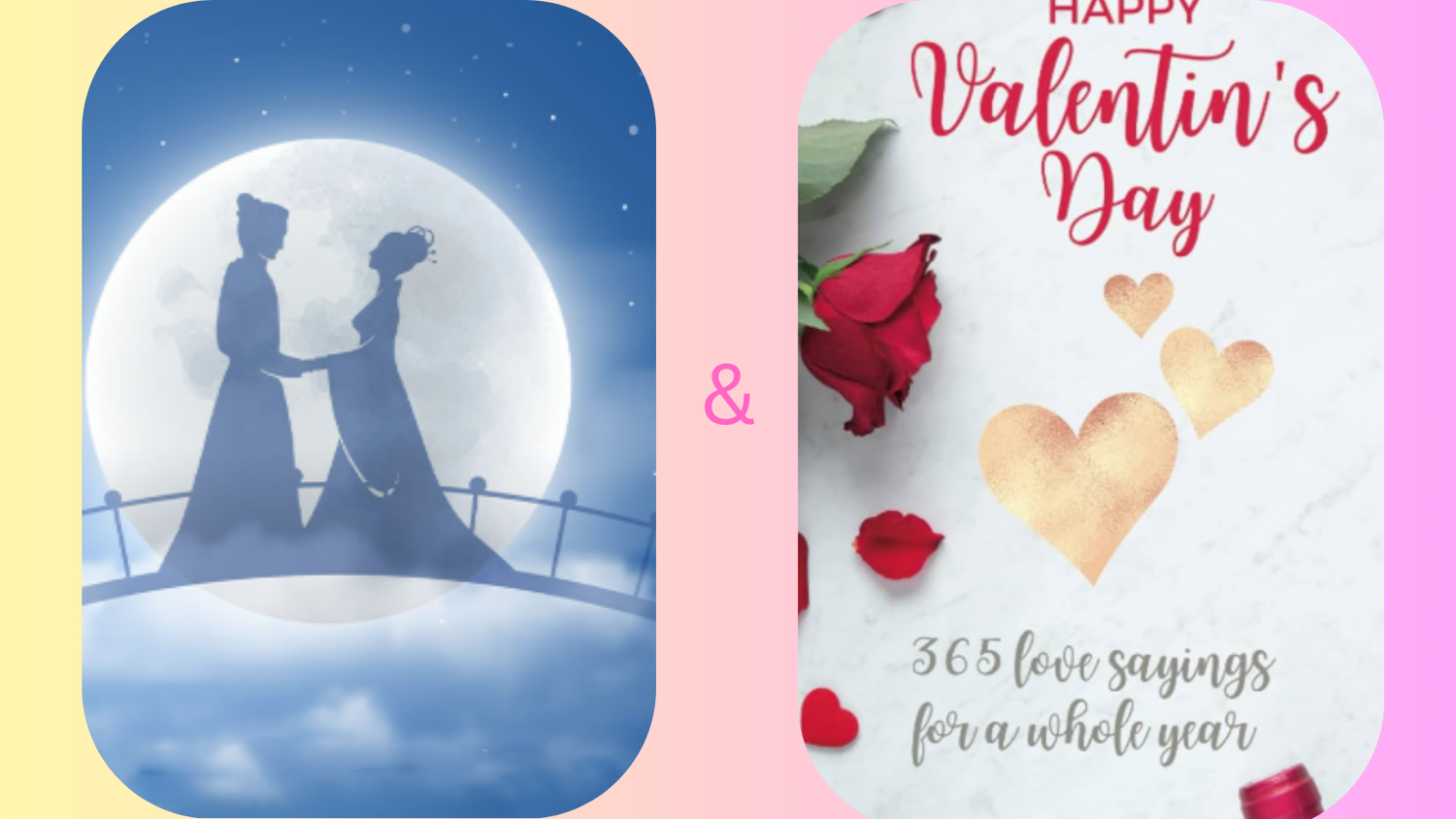
Zhinü, a celestial weaver, falls for Niulang, a humble cowherd. They marry, farm, raise kids—until heaven intervenes. The Queen Mother drags Zhinü back, splits the sky with her hairpin, and creates the Milky Way. But their devotion moves thousands of magpies, who form a bridge each year on Qixi—granting them one night together.
Unlike Valentine’s Day’s roses-and-chocolate cheer, Qixi is bittersweet: it honors love tested by separation, patience, and longing—where reunion isn’t guaranteed, but earned.

3. Tradition: A Festival of “Qiqiao”—and Women
Historically, Qixi wasn’t about dating—it was Qiqiao (“Begging for Skill”), a women-centered festival honoring Zhinü, goddess of craftsmanship and wisdom. On Qixi night, girls and women would:
- Set out seasonal fruits and homemade qiaoguo (sweet pastries) to honor the Weaver Star;
- Race to thread needles under moonlight, praying for dexterity;
- Watch for “lucky” spiders weaving webs on offerings—a sign skill had been granted;
- Hide under grapevines, hoping to overhear the lovers’ whispered reunion.
Essentially, Qixi was a “Daughters’ Festival”—a rare annual gathering for women to bond, pray for talent, and affirm hopes for the future.
4. Modern Shift: From “Skill” to “Sweetheart”
In recent decades, globalization and commercialization reshaped Qixi. To mirror Western Valentine’s Day, its romantic angle was amplified: the “Magpie Bridge” became a marketing motif for dates, flowers, chocolates, and jewelry. Today, it’s widely celebrated as China’s go-to love holiday.
But this rebranding sparked pushback. Many now feel the deeper layers—craft, intention, communal ritual—were lost. A quieter revival is underway: couples are blending romance with tradition—doing DIY crafts, stargazing, or joining cultural workshops—seeking not just gifts, but meaning: respect for skill, reflection on commitment, and a nod to something enduring in a fast-paced world.
The Origins of Valentine’s Day (February 14)
Unlike Qixi—born from celestial myth—Western Valentine’s Day has decidedly earthly roots: a layered mix of wild Roman festivals, Christian martyrdom, medieval courtly love, and modern marketing. The result? Today’s February 14th, defined by roses, chocolates, and bold declarations of love.

1. Ancient Roots: Lupercalia’s “Blind-Date” Ritual
Long before it was Valentine’s Day, mid-February marked Lupercalia—a raucous Roman festival meant to cleanse the city, ward off evil, and boost fertility. Its most famous ritual? A matchmaking lottery:
Young women’s names went into a jar; men drew one at random. The pair would be partners for the festival—and sometimes, for life.
This wasn’t about romance—it was fate, not choice. Yet it planted the seed: a designated day for pairing, guided less by the heart, and more by chance (and maybe the gods).
2. The Saint’s Story: Valentine’s Defiance and the First Love Note
As Christianity spread, the Church sought to Christianize pagan festivals. Around the 5th century, Pope Gelasius I designated February 14 to honor Saint Valentine.
The most enduring legend tells of a 3rd-century priest named Valentine, who defied Emperor Claudius II’s ban on soldiers marrying—believing love and marriage sacred, he secretly wed young couples. When caught, he was imprisoned. In jail, he reportedly restored the sight of his jailer’s blind daughter. On February 14, 269 CE, he was executed—and before his death, sent her a farewell note signed “From your Valentine.”
This story reshaped the holiday’s spirit: courage in defending love, self-sacrifice, and—crucially—the act of putting love into words. That note? Widely considered the world’s first Valentine’s card.
3. Medieval Poetry & Courtly Love
Valentine’s Day truly became about romance thanks to medieval European literature—especially in England. Poets like Geoffrey Chaucer linked St. Valentine’s Day to birds pairing and human courtship. Among nobles, a new custom took hold:
On February 14, gentlemen would offer love poems and small tokens to the ladies they admired. Love was no longer private—it was elevated to a noble, even artistic, pursuit.
This marked the holiday’s pivotal shift: from Roman fertility rites and Christian martyrdom to refined, expressive courtship.
4. The Rise of the Valentine’s Industry
The 19th century turned Valentine’s Day into a global commercial phenomenon. Cheaper printing and improved postal services sparked a boom in mass-produced greeting cards—first in the UK, then the US. By the early 20th century, companies like Hallmark, chocolatiers, and florists seized the moment, using aggressive marketing to cement icons:
- Red roses = passionate love
- Heart-shaped chocolates = the go-to sweet gesture
- Gifts = proof of love, period.
Through relentless commercialization, a holiday rooted in myth and faith became today’s streamlined, worldwide Romance™ Day—where love is expected to be bold, public, and, above all, gift-wrapped.
How Qixi and Valentine’s Day Are Celebrated Differently
If origins define a holiday’s “DNA,” then celebrations reveal its cultural personality—vividly. Qixi and Valentine’s Day unfold like two contrasting scenes: one, a quiet, moonlit ritual—contemplative, star-gazing, inward; the other, a bustling urban spectacle—roses, chocolates, and bold declarations of love.
| Dimension | Traditional Chinese Qixi (Origins) | Modern Chinese Qixi (Common Practice) |
Western Valentine’s Day (Traditional & Mainstream Today) |
| Core Activities | Qiqiao rituals, celestial offerings, stargazing | Gift-giving, dinner, dates | Exchanging cards/flowers/chocolates, dinner |
| Emotional Focus | Inward (self-cultivation, prayer to the heavens) | Mutual (couple-centered interaction) |
Outward (public declarations, social affirmation) |
| Expression | Subtle, symbolic, quiet | Direct, material, passionate (influenced by the West) |
Direct, symbolic, public |
| Primary Participants | Women’s communities | Couples | Romantic partners / those pursuing love |
| Key Symbols | Needles & thread, qiaoguo (pastries), stars, Magpie Bridge | Roses, jewelry, Magpie Bridge motif | Red roses, heart-shaped chocolates, Cupid, greeting cards |
| Modern Challenges | Risk of cultural depth diluted by commercialization | Balancing global trends with cultural identity | Preserving sincerity and personal meaning amid commercial pressure |
Choosing the Right Valentine’s Gift Across Cultures
Understanding the cultural roots of Qixi and Valentine’s Day transforms gift-giving from a stressful chore into a meaningful act of connection. At its best, a gift becomes a bridge—between cultures, and between hearts. Whichever holiday you celebrate, these principles and ideas will help you choose something truly resonant.
Core Principle: Cultural Fit > Price Tag
Celebrate Western Valentine’s Day (Feb 14)
Vibe: Bold, passionate, in-the-moment romance.
Your gift should feel like a clear, heartfelt declaration—unapologetically celebratory, saying: “Right now, I’m honoring us.”
Gift Ideas:
→ The Classic Romance
- Thoughtful flowers: Red roses are iconic—but swapping in their favorite bloom (sunflowers, tulips) or one tied to your story adds personal depth.
- A handwritten note: The soul of Valentine’s gifting. No store-bought card beats sincere, specific words—written in your hand.
- Premium chocolates or custom treats: Shared sweetness = instant joy.
→ The Experience
- A surprise weekend getaway: Turn love into shared adventure and new memories.
- A curated “date night”: Think beyond dinner—gallery hop → live music → cozy cocktail bar.
- A “Love Voucher” booklet: Handmade coupons for future moments (“Foot rub,” “A weekend of your choosing”)—extending the celebration beyond the day.
Want more Valentine’s gift inspiration? Check out our full guide for more ideas.
Celebrate Chinese Qixi (7th day of the 7th lunar month)
Vibe: Subtle, enduring, future-oriented commitment—love as quiet devotion, not just passion.
Your gift should feel like a layered love letter: intimate, meaningful, and built to last—saying: “I understand our story, and I’m in it for the long haul.”
Gift Ideas:
→ Modernized Tradition
- A pair of refined “skillful” tools: E.g., a beautiful calligraphy set or artisanal tea set, with a note: “Like ink and brush / tea and water—we complete each other.” Honors qiqiao (craftsmanship) while symbolizing partnership harmony.
- Celestial gifts: A custom star-map necklace (of the night you met) or a compact telescope—directly echoing the lovers’ star-crossed reunion: poetic, personal, and timeless.
- DIY workshop voucher: Sign up together for jewelry-making, leathercraft, pottery, or embroidery—creating something as a pair. Fuses qiqiao (hands-on skill) with modern co-creation.
→ The Bonding Token
- Split-and-unite jewelry: Pendants or rings that fit together into a single design—separate, they’re elegant; together, they’re whole. A perfect metaphor for “One rare meeting in the golden wind and jade dew.”
- A custom “our story” book: Compile photos, ticket stubs, and meaningful texts into a printed keepsake album—building a tangible, re-readable “bridge of memory” for your love.
If you want to find more gift ideas, you can read this article: 25 Thoughtful Cheap Gift Ideas That Look Expensive