









Table of Contents
Indie Sleaze is back—and yeah, it’s deliciously unhinged.
You know that vibe? Think: glitter on your eyeliner and your jeans, a disposable camera dangling from your wrist, last night’s eyeliner still smudged (on purpose), and the faint smell of stale beer + vintage perfume clinging to your leather jacket. That’s Indie Sleaze—and it’s storming back into pop culture like it never left.
Originally blowing up between, like, 2006 and 2012 (shoutout to pre-Instagram Myspace parties and LCD Soundsystem at 2 a.m.), Indie Sleaze was never about looking perfect. It was messy, sweaty, magnetic—a love letter to late-night chaos, raw authenticity, and looking hot while barely trying.
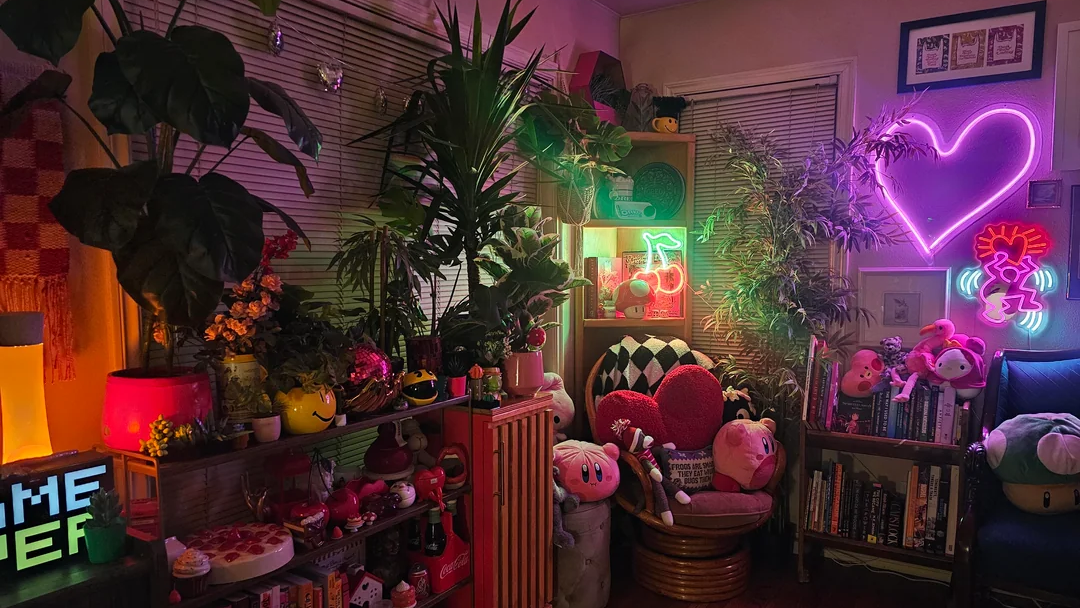
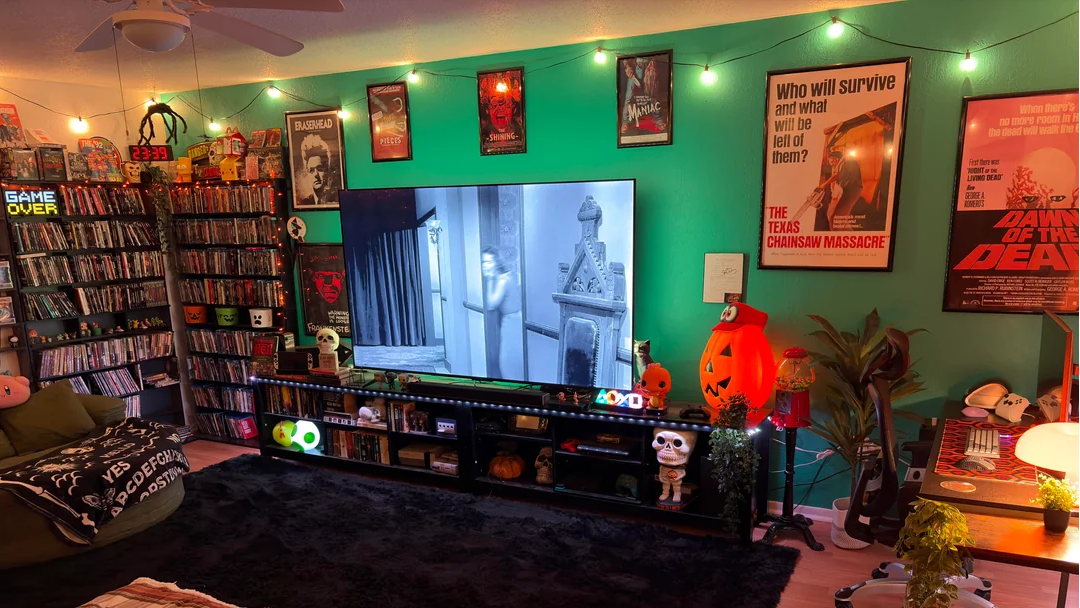
Fast-forward to 2026—and Gen Z + young millennials are resurrecting it hard. TikTok feeds are flooded with grainy party clips, neon-drenched bedroom tours, and “get ready with me (to go nowhere but look iconic)” videos. Pinterest? A time capsule of flash-lit selfies, ripped fishnets, and thrifted band tees. Even home decor’s getting in on it: expect exposed bulbs, thrifted mirrors with cracked edges, and glow-in-the-dark posters next to your IKEA shelf.
This article breaks down:
- what Indie Sleaze really is
- its cultural and historical background
- why it’s trending again
- its music, celebrity, and media influences
- and how the aesthetic is shaping 2026 lifestyle and home decor
What Is Indie Sleaze?
So—Indie Sleaze? Yeah, it’s not just a TikTok trend. It was the whole chaotic, sweaty, glitter-in-your-hair vibe that blew up globally roughly between 2006 and 2012—back when MySpace bios mattered more than LinkedIn headlines and your camera roll was 90% blurry shots of someone mid-scream at a basement show.
It wasn’t just fashion. It was a full-on lifestyle package: music + style + flash photography + party survival tactics—all wrapped in a cigarette-stained leather jacket and held together by safety pins (literally and metaphorically).

Core Spirit & Cultural Roots:
1. Anti-Digital, Pro-Analog
Born in the pre-algorithm era (MySpace, early Tumblr), Indie Sleaze embraced grainy point-and-shoots, harsh flash, and motion blur—because real life isn’t filtered, and perfect was deeply suspect.
2. Rooted in the Music Scene
Fueled by The Strokes, LCD Soundsystem, and Yeah Yeah Yeahs, the look borrowed directly from sweaty, chaotic gigs—where stage dives and sticky floors were part of the aesthetic.
3. Nightlife as Ritual
Basement raves, secret parties, DIY festivals: the vibe peaked after—smudged liner, wrinkled clothes, bedhead—worn proudly like a “I was there” medal.
4. Anti-Mainstream, Pro-DIY
While pop chased logos, Indie Sleaze mixed thrifted finds, cut-up tees, and safety pins—proof that style isn’t bought; it’s hacked together with flair and caffeine.
Core visual elements include:
- harsh flash photography
- metallic textures
- fishnet tights, ripped denim, leather jackets
- smudged eyeliner and unstyled hair
- low-resolution, grainy photos
- neon signs, dark rooms, and club-like lighting
- chaotic party scenes
- DIY band posters and underground nightlife vibes
A Brief History of Indie Sleaze (2006–2012)
Indie Sleaze was an anti-polish aesthetic movement. It started in the late 2000s—right in the middle of the financial crisis and peak Tumblr blog culture. Its vibe? Grainy flash photos, thrifted mash-ups, and unapologetic hedonism.
Then came Instagram—and with it, an obsession with clean, curated perfection. Indie Sleaze faded.
But in the 2020s, Gen Z brought it back. Sort of. They kept the visuals—but ditched the original spirit. What was once a grassroots subculture is now, mostly, a nostalgic aesthetic label.
Why It Became Popular?
Indie Sleaze began in the early 2000s, a time when society was undergoing huge changes. The internet was entering the Web 2.0 era, social platforms like Tumblr were emerging, and both economic growth and recession helped shape the rise of this cultural style.
Society:
Post-financial-crisis, young people embraced both anti-luxury realism and defiant hedonism—using raw, unpolished aesthetics to push back against societal pressure and hyper-curated mainstream ideals.
Culture:
Fueled by indie music scenes and underground nightlife, a “realness-first” DIY ethos took hold—celebrating imperfection and rejecting polish as a form of subcultural identity.
Tech:
Early social platforms like MySpace and Tumblr offered raw, unfiltered self-expression—and their low-fi, flash-heavy visuals became central to the look. Fast-forward to the 2020s: TikTok’s algorithm revived it, not as a movement, but as a viral visual tag.
Economy:
The 2008 crash pushed creative types toward thrifting, mixing vintage with fast fashion—and turned resourcefulness into a kind of “broke but iconic” practical cool.
Why Indie Sleaze Is Trending Again in 2026
Starting from 2024 and into 2025, retro trends have been sweeping through fashion, home decor, and pop culture. Y2K and classic pop-culture aesthetics keep getting brought up and revisited, and social platforms are full of nostalgic retro-style vlogs that rack up tons of views.
By the end of 2025, a new kind of throwback aesthetic started taking over—Indie Sleaze. And honestly, it’s not hard to understand why. People always want to recreate the beauty of the past, and everyone’s pretty tired of the same repetitive trends we see today.
Driven by TikTok’s Algorithm
You know how social media algorithms work—they create topics, push them with massive traffic, and spark waves of imitation. After the Y2K craze, Indie Sleaze is poised to become the next big algorithm-fueled trend. TikTok aesthetics are sparking a fresh fashion frenzy across social media.
Nostalgia for Late 2000s–Early 2010s Culture
Of course, beyond algorithmic boosts, people genuinely have a deep appreciation for past culture. “The past” doesn’t mean outdated or irrelevant—old can still be trendy and fashionable. The continued popularity of Y2K shows just how much people love nostalgic aesthetics, and the huge amount of traffic it generated only pulled even more people in.
And if you look back at early-2000s culture, Y2K wasn’t the only major trend—Indie Sleaze was right there too. So when the hype around Y2K started to cool down a bit, people naturally rediscovered the Indie Sleaze aesthetic.
Tired of the Perfectly Curated Sameness
With the rise of Instagram, social media has become filled with perfectly polished photos and videos—and everything looks the same. Whenever a certain style or topic starts getting traction, everyone rushes to copy it. Before long, you’re scrolling past the same makeup aesthetics, the same room layouts, the same picture-perfect content over and over again.
And honestly, I think young people are getting tired of this overly curated, repetitive perfection. They want something different—something messy, blurry, imperfect. Maybe that shift is a quiet form of resistance against today’s culture.
The Cultural Icons Behind Indie Sleaze
Indie Sleaze’s influence spanned music, fashion, film, and beyond. It wasn’t just a style—it was a full-fledged aesthetic movement. Its core appeal? Carefully curated chaos—a vibe defined and amplified by key cultural figures.
Musicians gave it soul. Photographers forged its gritty visual language. Fashion icons turned it into a global trend. And film & TV immortalized it as the mood of a generation. Together, they built the world of Indie Sleaze—and made its legacy last.
Music: Soundtracking the Scene—and Its Attitude
Indie Sleaze was, first and foremost, a music-driven movement. It fused garage rock’s grit, electronic dance’s pulse, and indie’s DIY rebellion—giving rise to acts like LCD Soundsystem, MGMT, Justice, The Strokes, Arctic Monkeys, and early-era The 1975: bands that could pack a dance floor and win critical praise.
This genre-blurring sound broke down old boundaries—paving the way for indie and electronic influences in mainstream pop. And its “backstage-party” hedonism shaped a new kind of music-star persona: raw, unfiltered, and effortlessly cool—never polished, never trying too hard.
Photography: Inventing a “Lo-Fi Visual Grammar” for the Digital Age
Indie Sleaze codified a signature look: harsh direct flash, high contrast, low resolution, film grain, and red-eye. Photographers like Terry Richardson and Hedi Slimane turned it into visual gospel.
That aesthetic was quickly absorbed by fashion and social media. Today, any shoot aiming for “authentic,” “vintage,” or “rebellious” vibes borrows from it—and editing a high-res photo to look low-fi is practically standard. Most “retro” Instagram and TikTok filters? Straight out of this playbook.
Celebrities: Redefining the “It Girl/Guy” Blueprint
Indie Sleaze championed effortless cool—think Alexa Chung and Kate Moss, especially in those post-party pap shots: rumpled, smudged, gloriously unguarded. They weren’t untouchable icons; they were the cool girl you might bump into at your local dive bar.
This shifted the whole idea of a fashion icon—from red-carpet perfection to personality-driven, thrifted-and-mixed individuality. Today’s obsession with “street style > red carpet,” and influencers leaning into “relatable” aesthetics? All rooted here. Celebrities stopped being just brand billboards—and started acting like curators of their own vibe.
Film & TV: Capturing the Era’s Vibe—and Cementing It
Certain films and shows didn’t just reflect Indie Sleaze—they amplified it into a cultural timestamp.
Scott Pilgrim vs. The World was its ultimate visual manifesto: video-game aesthetics, scrappy indie-rock energy, and lo-fi charm in every frame.
Girls embodied its spirit in story and style—following messy, broke, self-possessed young women navigating post-recession life, dressed head-to-toe in thrifted authenticity.
These weren’t just style references—they shaped how a generation pictured “cool youth.” And in doing so, helped Indie Sleaze leap from local scenes to global influence.
Indie Sleaze’s lasting power lies in how it turned a grassroots movement—born from economic strain and underground music—into a 21st-century aesthetic language that just won’t quit. Across music, visuals, celebrity style, and storytelling, it cemented a core ethos: anti-polish, pro-immediacy, and a full-throated embrace of realness and chaos.
The original context may be gone—but its visual shorthand and rebellious spirit live on, constantly remixed, recycled, and reinterpreted by mainstream culture and social media alike.
Indie Sleaze in Home Decor: The 2026 Aesthetic Shift
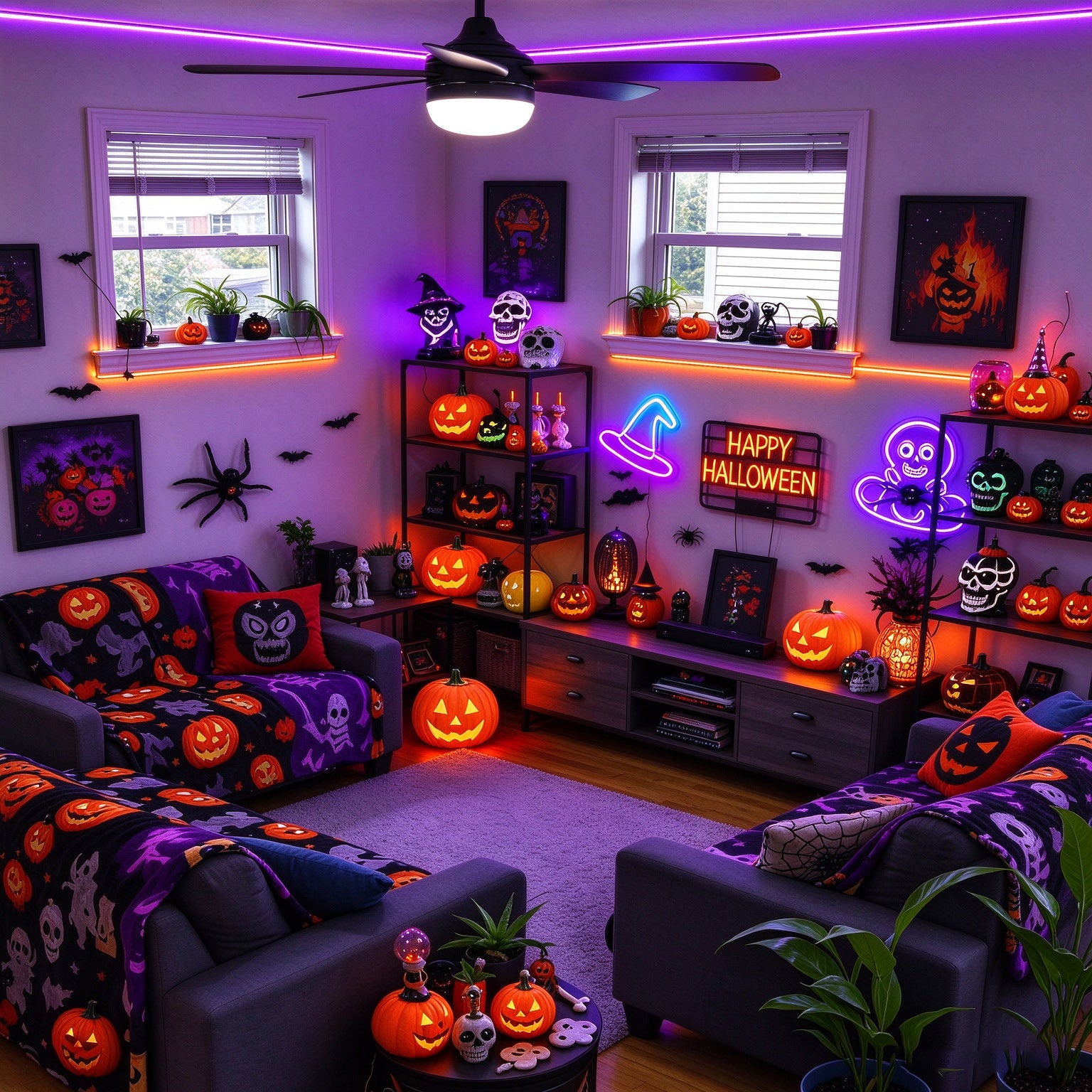
If you’re not into vlogging, how else can you bring Indie Sleaze into your everyday life? Beyond clothing and photography, home decor is another perfect way to embrace the aesthetic. Neon signs, with their bold, saturated hues, fit the Indie Sleaze vibe perfectly—adding a touch of “refined chaos” to your space.
Extend that “refined chaos” from your wardrobe into your living environment, and create a corner full of personal memories and anti-perfectionist charm.
Three Key Elements:
1. Material Mixing: “Rough” Layers with History
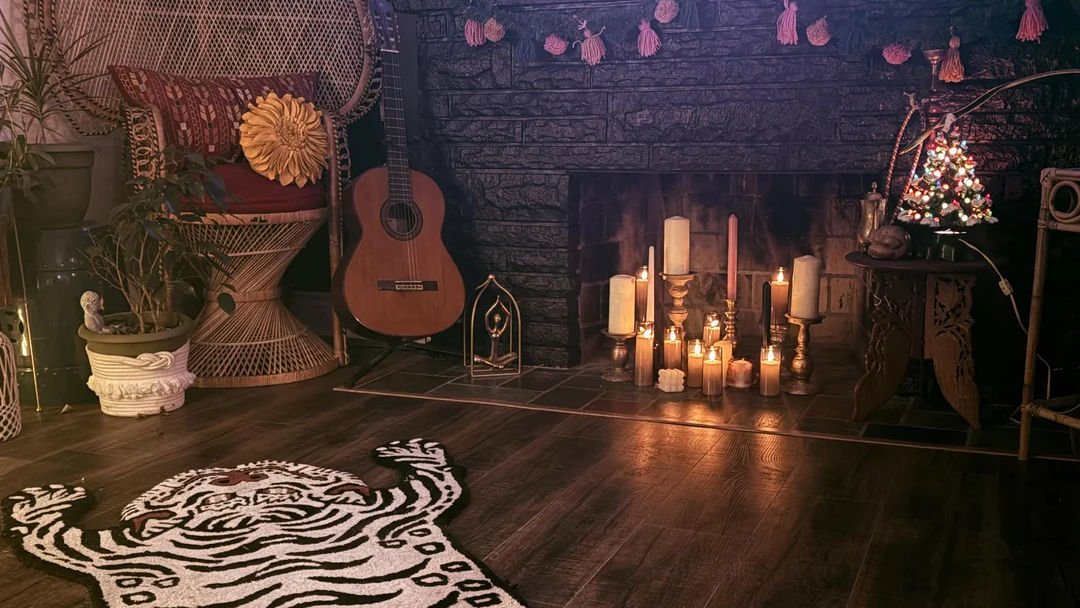
Indie Sleaze home aesthetics start with a rejection of “brand-new perfection.” Material mixing is its soul—centered on capturing the story in objects worn by time. To build this “rough-with-history” layering, boldly combine items of different eras and textures, letting wear and tear become natural decoration.
How to do it:
- Velvet: A secondhand emerald green or burgundy velvet armchair.
- Wood: A vintage coffee table with visible scratches and ring marks—don’t over-restain.
- Metal: An industrial-style metal bookshelf or a floor lamp with exposed bulbs.
- Plastic: A few clear acrylic storage bins—or display vintage cartoon toys in bright colors.
- Key: Let every material show use. Juxtapose old and new. Reject flawless, sterile finishes.
2. Neon Sign: Your Room’s Signature
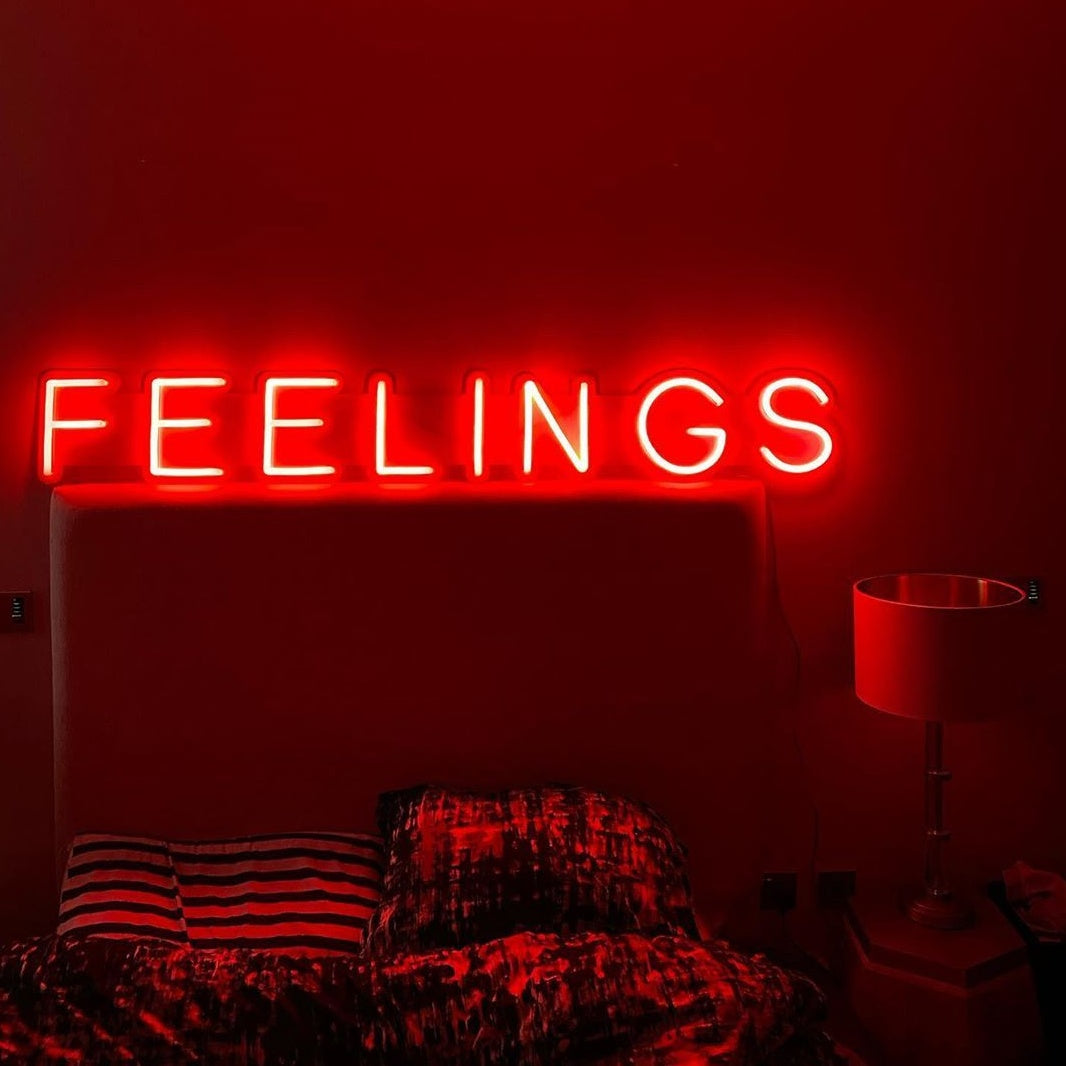
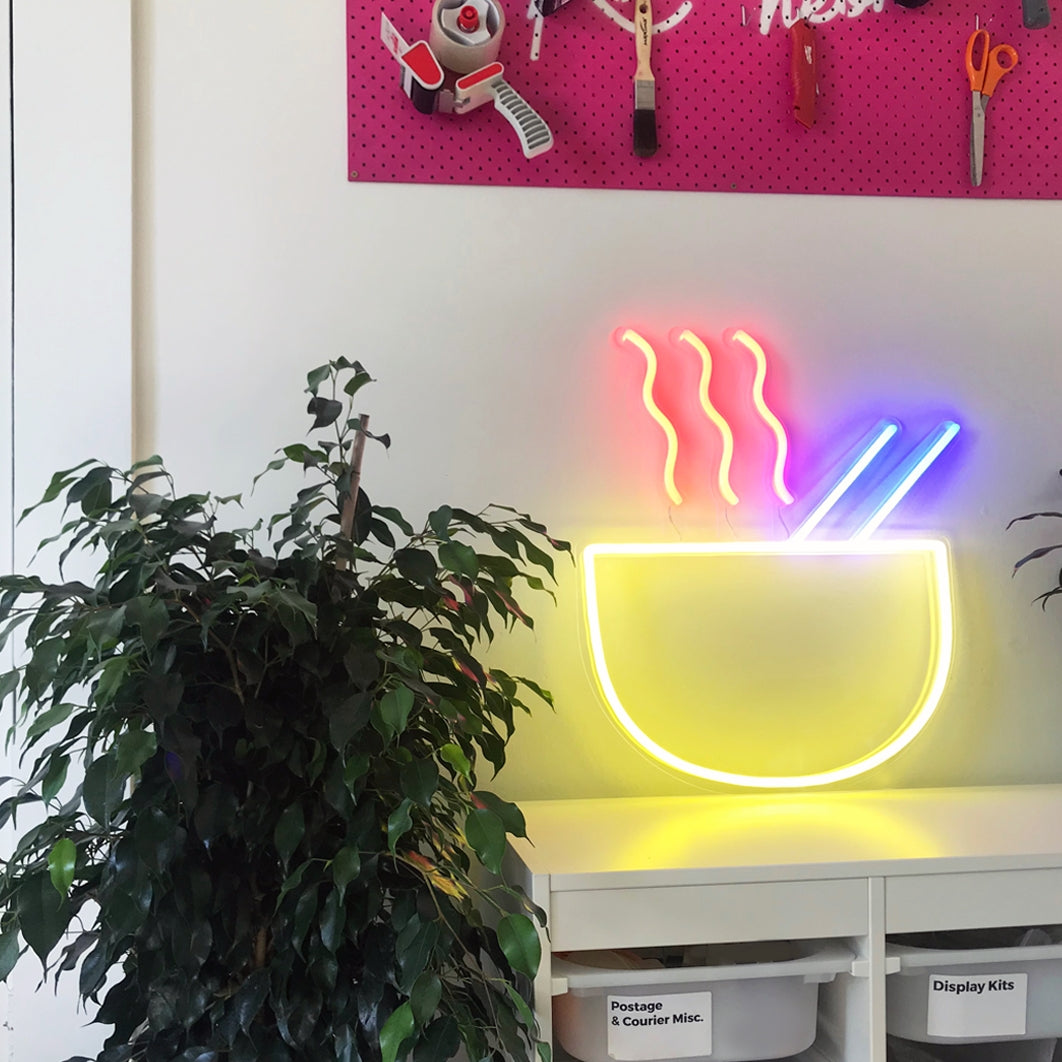
In Indie Sleaze home styling, a custom neon sign isn’t just lighting—it’s your ultimate personal statement. Want to instantly channel underground club intimacy and retro-futurism? A bespoke neon piece is key. Skip generic decor slogans: Indie Sleaze neon is about one lyric, line, or symbol that means something to you.

Wording: Avoid clichés. Go for a lyric that hits (e.g., LCD Soundsystem’s “I was there”, a Strokes line), a cult-film quote, or a simple abstract symbol—lightning bolt, skull, constellation.
Color & Placement: Soft pink, teal, or warm orange work best. Mount it on a dark wall, or use it as a focal point above a bookshelf or record cabinet. The glow should be ambient—not harsh—spilling softly over surrounding clutter: dog-eared books, vinyl sleeves, trinkets. Think: 3 a.m., post-party, lights still on.
3. Memory Wall: Your Personal Culture Dig Site
Unlike the curated perfection of Instagram grids, the Indie Sleaze memory wall celebrates real, lived-in traces—a breathing, in-progress cultural exhibit. If the neon sign is your room’s signature, this wall is your personal archive. It doesn’t need to be neat—every wrinkle, overlap, and crooked edge is the story.
What to include: Physical memories only. Mix: expired concert tickets, Polaroids (bonus points for blur), torn magazine pages (editorials or weird ads), bar coasters, guitar picks, handwritten notes.
How to hang it: No symmetry. Layer pieces with painter’s tape, or pin them haphazardly to a corkboard. Keep it evolving—a visual diary, updated in real time. Add a small spotlight in the corner to illuminate the wall, boosting its raw, theatrical vibe.
4. Hidden Lighting
Under the 2026 TikTok aesthetic trend, there are many high-traffic posts from users showcasing hidden lighting in their rooms. Most users place LED strips along the bedside, on the ceiling, and around the headboard. Different locations call for different types of strips. For the ceiling, people generally go with COB LED strips, which deliver smooth, seamless light with no dark spots. If you're aiming for more of an ambiance, you can also use RGB strips lights to create a party vibe.
Conclusion
Indie Sleaze home aesthetics aren’t about recreating a specific year—they’re about embracing a lifestyle of intentional freedom. It invites you to break “proper” decor rules: use a neon sign to voice your own slogan, mix textures to tell your story, and build a memory wall to hold fleeting, vivid moments.
In an age of hyper-polish and digital perfection, this style is a reminder: real traces of life carry more warmth than flawless staging. Start small—a single lamp, one wall, a worn-in sofa—and build a space that answers to no one but yourself. Because the best style is always a personal cultural statement.